
- Artificial Intelligence, Design Systems, Figma, Product Design, UX Design
Learn how to build systems where design explicitly models development, handoff is automatic, and AI can extend your work reliably.
Article by Jim Gulsen
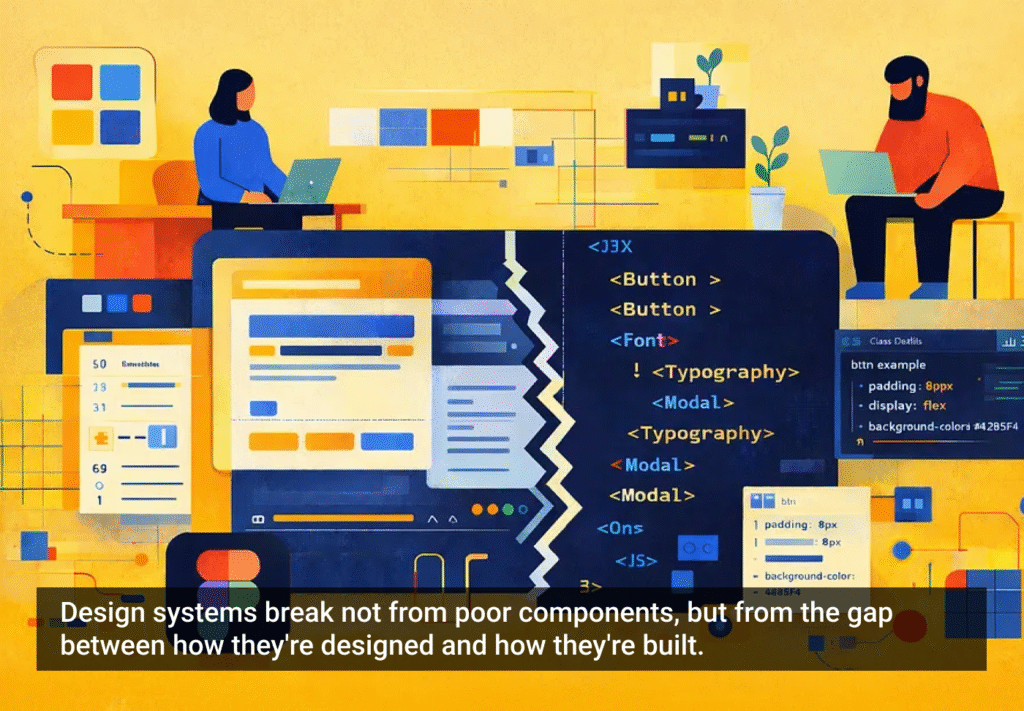
Your Design System Works in Figma. Does It Work in Code?
- The article explains why many design systems don’t work well: designs made in Figma don’t translate well into code.
- It introduces five practices: structure frames like code, use fewer components with more variants, organize by how both designers and developers actually work, let AI check your naming, and build documentation into your daily workflow.
- The piece says that good design systems are the same in design and development, and when they match, everything just works.
Share:Your Design System Works in Figma. Does It Work in Code?
Share this link
- February 19, 2026
6 min read
- Behavioral Design, Cognition, User Experience, User Psychology, UX Design
Find out why users really abandon your product. It’s not the button color or spacing. It’s something deeper.
Article by Tushar Deshmukh
Friction Science: Why Users Drop Off
- The article explains that users don’t abandon products because of bad design, but because of psychological friction that makes them uncomfortable.
- It identifies four types of friction: cognitive, emotional, behavioral, and interaction.
- The piece emphasizes that designers must focus on cognitive pathways and mental flow, not just visual interfaces, to keep users engaged.
Share:Friction Science: Why Users Drop Off
Share this link
- February 10, 2026
5 min read

- Behavioral Design, Design Ethics, Ethical Design, UX Design
Find out how modern UX design is starting to prioritize manipulation over empathy.
Article by Disha Shenoy
From Guidance to Manipulation: the New Reality of UX
- The article shows how modern UX is moving from supporting users to subtly changing their behavior.
- It uses Instagram’s layout change as an example of how habits are used to get people to interact with content more.
- The piece suggests that designers now have to choose between helping users and following growth targets.
Share:From Guidance to Manipulation: the New Reality of UX
Share this link
- February 3, 2026
4 min read
- Accessibility, Human-Centered Design, Inclusive Design, Usability, UX Design
Learn how usability, accessibility, and inclusivity connect under the idea of human-centered design.
Article by Paivi Salminen
Usability, Accessibility, and Inclusivity
- The article shows that usability, accessibility, and inclusivity are different concepts that work together to create good design.
- It explains that accessibility removes barriers for disabled users, while inclusivity designs for all types of human diversity.
- The piece emphasizes that great design needs all three: usability makes things easy, accessibility makes them possible, and inclusivity makes them fair.
Share:Usability, Accessibility, and Inclusivity
Share this link
- January 29, 2026
3 min read

- Color Psychology, Design Thinking, Product Design, UI Design, UX Design
Discover how smart color choices influence user emotions, behavior, and digital experiences.
Article by Upeksha Sandeepani
The Psychology of Color in UI/UX Design
- The article shows that color acts as a psychological factor in design, influencing how users feel and behave before they even notice layout or text.
- It reveals that thoughtful color choices convey meaning more quickly than words, making interfaces feel more intuitive and emotionally engaging.
- The piece argues designers must see color as a communication tool that conveys emotion, culture, and brand, not just decoration.
Share:The Psychology of Color in UI/UX Design
Share this link
- January 27, 2026
4 min read

- Design Thinking, Product Design, User Experience, User Psychology, User Research, UX Design
Learn why products fail despite good design.
Article by Tushar Deshmukh
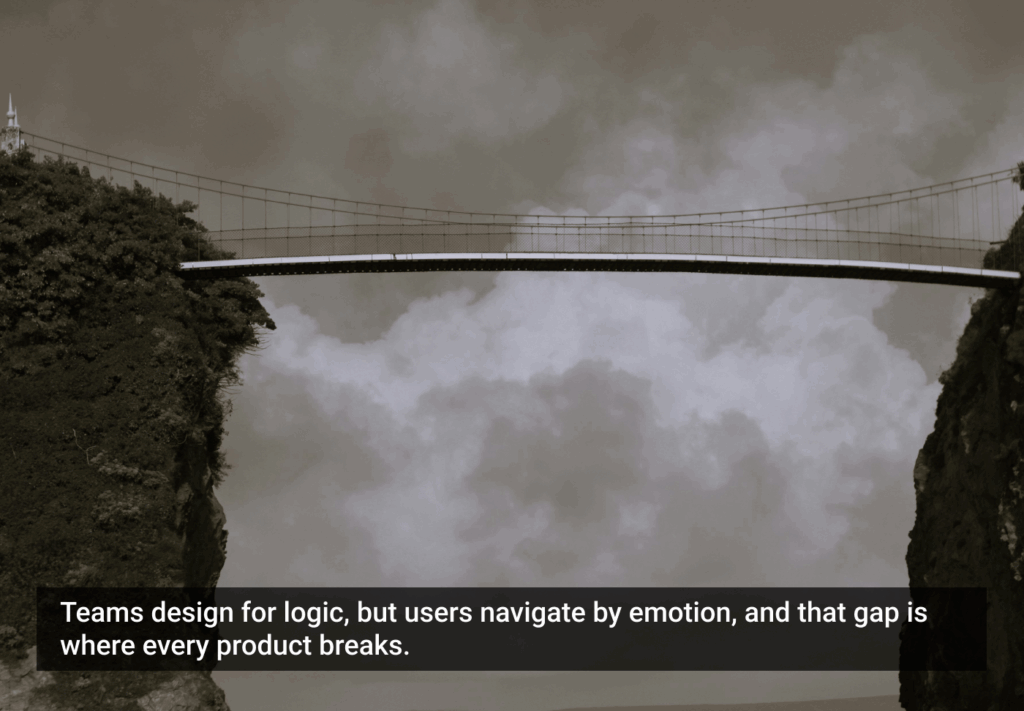
The Psychology Gap: Why Teams Misinterpret User Behavior
- The article explains why teams misread users: designers work in calm environments while users operate under stress and distraction, creating a gap between how products are built and how they’re actually used.
- It shows how team biases, assuming users will “figure it out” or projecting their own behavior, turn assumptions into bad design before testing even begins.
- The piece argues products fail because teams misunderstand how users think and feel, not because screens are wrong, and fixing this means designing for emotion, not just logic.
Share:The Psychology Gap: Why Teams Misinterpret User Behavior
Share this link
- January 20, 2026
8 min read