

- AI Bias, Artificial Intelligence, Human-Computer Interaction, Machine Learning
Explore how to recognize AI’s influence on your thinking, and take control of what shapes your judgment.
Article by Pavel Bukengolts
The AI Mirror: How We Become the Systems We Use
- The article illustrates how using biased AI can gradually alter your own thinking without you noticing: the more you interact with it, the more you adopt its biases as your own.
- It reveals that simply seeing AI-generated outputs is enough to influence you; you don’t need to trust it or even know it’s AI for it to alter what you consider normal.
- The piece argues AI mirrors and amplifies whatever we give it, so if we’re not careful about what we feed these systems, they’ll reshape how we see the world and ourselves.
Share:The AI Mirror: How We Become the Systems We Use
Share this link
- January 22, 2026
4 min read

Article by Josh Tyson
Share:Ben Goertzel on the Decentralization of AI
Share this link
- January 20, 2026
2 min read

- Design Thinking, Product Design, User Experience, User Psychology, User Research, UX Design
Learn why products fail despite good design.
Article by Tushar Deshmukh
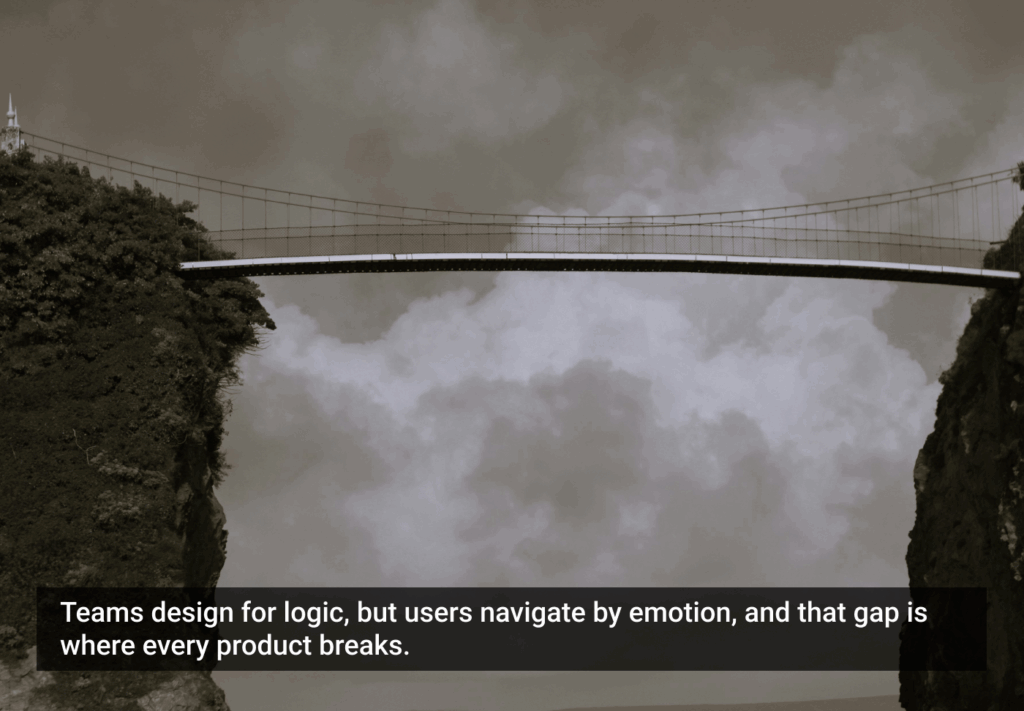
The Psychology Gap: Why Teams Misinterpret User Behavior
- The article explains why teams misread users: designers work in calm environments while users operate under stress and distraction, creating a gap between how products are built and how they’re actually used.
- It shows how team biases, assuming users will “figure it out” or projecting their own behavior, turn assumptions into bad design before testing even begins.
- The piece argues products fail because teams misunderstand how users think and feel, not because screens are wrong, and fixing this means designing for emotion, not just logic.
Share:The Psychology Gap: Why Teams Misinterpret User Behavior
Share this link
- January 20, 2026
8 min read
- Design Theory, Design Thinking, Healthcare, Human factors, Usability, User Experience
Learn why healthcare blames human error instead of fixing broken design, and what needs to change.
Article by Paivi Salminen
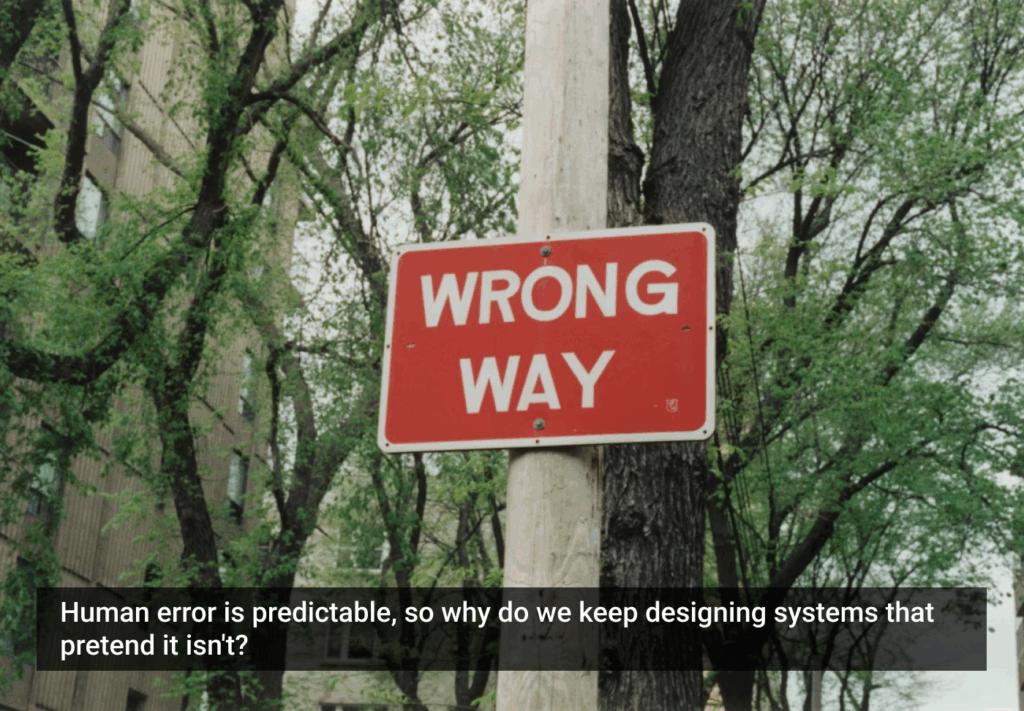
Designing for Oops
- The article explains why mistakes happen, not because we’re careless, but because most systems are built as if humans never mess up.
- It demonstrates how slips (doing the wrong thing) and mistakes (thinking the wrong thing) require different solutions, including better design for slips and a deeper understanding of mistakes.
- The piece outlines how aviation and factories prevent errors by removing blame, allowing workers to stop production when something’s off, and designing systems that make it difficult to do the wrong thing, and asks why healthcare hasn’t done the same.
Share:Designing for Oops
Share this link
- January 15, 2026
4 min read
- Design Ethics, Design Psychology, Human-Centered Design, User Experience, UX Design
Discover how psychology influences addictive design and learn to create engaging experiences that respect user needs.
Article by Omran Khleifat
Designing for Dopamine
- The article explains why design succeeds when it triggers dopamine but fails when it prioritizes profit over users’ mental health.
- The piece shows how techniques like endless scrolling and notifications create engagement through reward loops, while becoming harmful when they manipulate users into addiction.
- It outlines the ethical design approach, demonstrating how good UX strikes a balance between engagement and well-being by using nudges carefully and adding real value, rather than creating dependency.
Share:Designing for Dopamine
Share this link
- January 13, 2026
3 min read

Article by Josh Tyson
Share:Why AI Scaffolding Matters More than Use Cases
Share this link
- January 5, 2026
1 min read
