
When I was 12, my dad taught me to drive in a 1979 VW Rabbit Diesel with a 4-speed manual transmission. We were on a dirt road back near a so-called “holler” in West Virginia. After he explained to me the various levers, velocitators, and decelerators in a car of that pedigree, he told me what was actually important about driving:
“Drive for your passenger’s comfort.”
It didn’t mean much to me at that moment—as our focus may have been on survival first, passenger comfort second—but, over the years, my father’s advice has seeped into almost every aspect of my professional life.
It turned up when I was working as a mechanic at an Audi dealer right after high school, where I realized that I loved the idea that someone brings you something broken and you fix it and give it back. A few years later, I went to culinary school because I wanted to own a restaurant—a vision that had very little to do with food, and everything to do with the experience and ambiance of dining there.
The next step was, naturally, a job as a bike messenger (we’ll get to coffee in a minute, I promise). I had no goals or ambitions within the industry when I started—I just wanted to ride my bike, deliver stuff, and look cool. I quickly realized, however, that when you deliver a package to someone who needs it, or you make a filing at the courthouse that seemed impossible, or you take a moment to chat with a bored receptionist, it makes people happy.
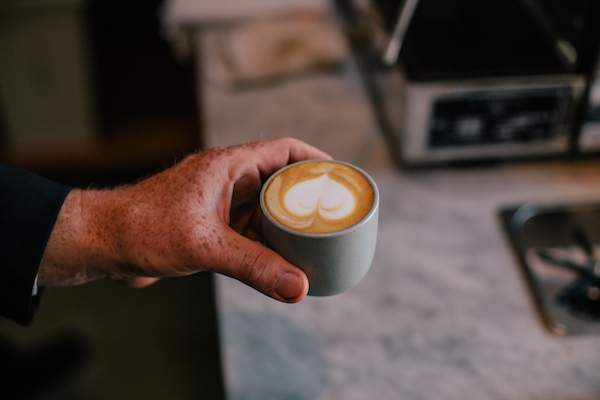
After starting and then selling my own bike messenger company, I knocked about in real estate and construction, which left me feeling unsatisfied and dejected. While talking to a friend with a little cafe, he shared some woes about a manager leaving and good help being hard to find, so I offered my services.
My first order of business was to learn about coffee. This was about 10 years ago, a time when really fuzzy, generally wrong information was passed down from snooty barista to snooty barista. It was evident pretty quickly that no one really knew where to start. I decided that if I was going to run a coffee shop, we were going to the best job possible.
It turned out that, after years of seemingly random occupations, I had found what I wanted to do. I wanted to open the best coffee company in the world, one that served the best cup of coffee anywhere as part of an unparalleled experience. That ambition and desire became Handsome Coffee Roasters, a roasting facility and coffee shop in downtown Los Angeles that made quite a name for itself before I left the company and it was sold to a larger coffee roaster.
Now—after sipping the rarefied air of coffee super stardom—I’m back to square one. A few weeks ago, when I opened a new espresso bar, Blacktop, I really had just one thing on my mind: something European, where people can stop in and have a drink—a little two-minute bright spot in their day—and go on to whatever’s next. In other words, I wanted to create a perfect, single-serving customer experience. So far, it seems to be working out.
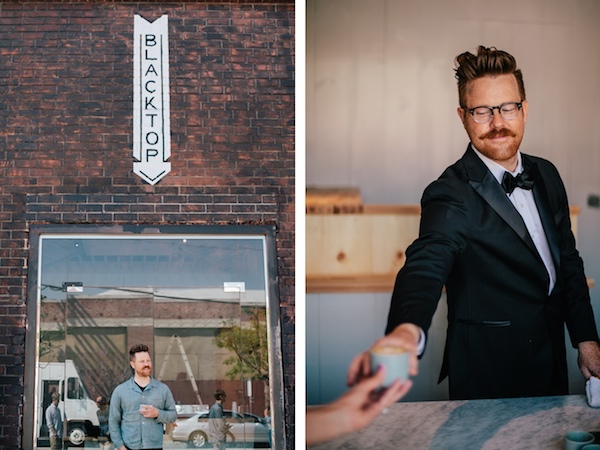
So, without further distraction, here are five lessons in customer experience coffee has taught me:
1. Without Customers, there is No Customer Service
It’s easy to forget that we’re ultimately making a product—in this case, coffee—for someone. It’s easy to think this process is so important in-and-of-itself that the customers will line up for it. I’ve actually worked at that place. There’s a very fine line between our precious customers trusting the experts (us), and feeling like they’re being lectured on their life choices … for $6 a cup.
2. The Experience is Most of the Product
At this point in the trajectory of coffee, you don’t have to look very hard to find really great coffee. I prefer to feel welcome and appreciated in a comfortable space … and by the way, I’ll have some coffee. I can think of only two businesses that I’ll patronize despite a difficult space and questionable experience: Bulgarini Gelato, which seems to employ a never ending stream of that squeaky-voiced kid from The Simpsons, and those bastards at Time Warner—they really have me by the balls. Beyond that, I’ll take a great time and pretty good food/drink/sensual massage over a great product served by assholes.
3. Meet People Where they Are
Allow them to opt in to your Android’s Dungeon of craft. I know you’re really excited about malolactic fermentation on this esoteric wine, but I’m just a guy who wants something good. Let’s keep it relevant to our customer base. How about you do all the hard nerd-related work so I can enjoy the benefits? And if I ask to join your nuanced world of small-batch dorkery, please welcome me with open arms.
4. Your Customers Will Be as Great or Awful as You Permit
I’m a big believer in setting some expectations in both directions. If you allow customers carte blanche to walk all over your business, they will. I’m living this as I type, though I’m not sure the Soup Nazi approach is any more effective. It’s nice to have some guardrails: “This is what we do here, and we’ll make reasonable efforts to accommodate you, but if we sell hamburgers and you want soup, maybe this isn’t the right fit.”
This was an amazing revelation at Handsome. We inadvertently weeded out the customers that didn’t get it and were rewarded with the greatest customers on the planet. JR Crosby of Ptarmak once told me, “You have to polarize to galvanize.” I’ve always liked the idea of getting a strong reaction from people. Everything to everyone is a very confusing mixed message.
5. Have a Purpose
Know who you want to please and please the hell out of them. Haters are predisposed to hating, as they say. All the haters in the world can’t take away how good it feels to delight someone who gets you.
All the haters in the world can’t take away how good it feels to delight someone who gets you
Photography by Michelle Mosqueda. Tuxedo provided by The Black Tux.