
Save
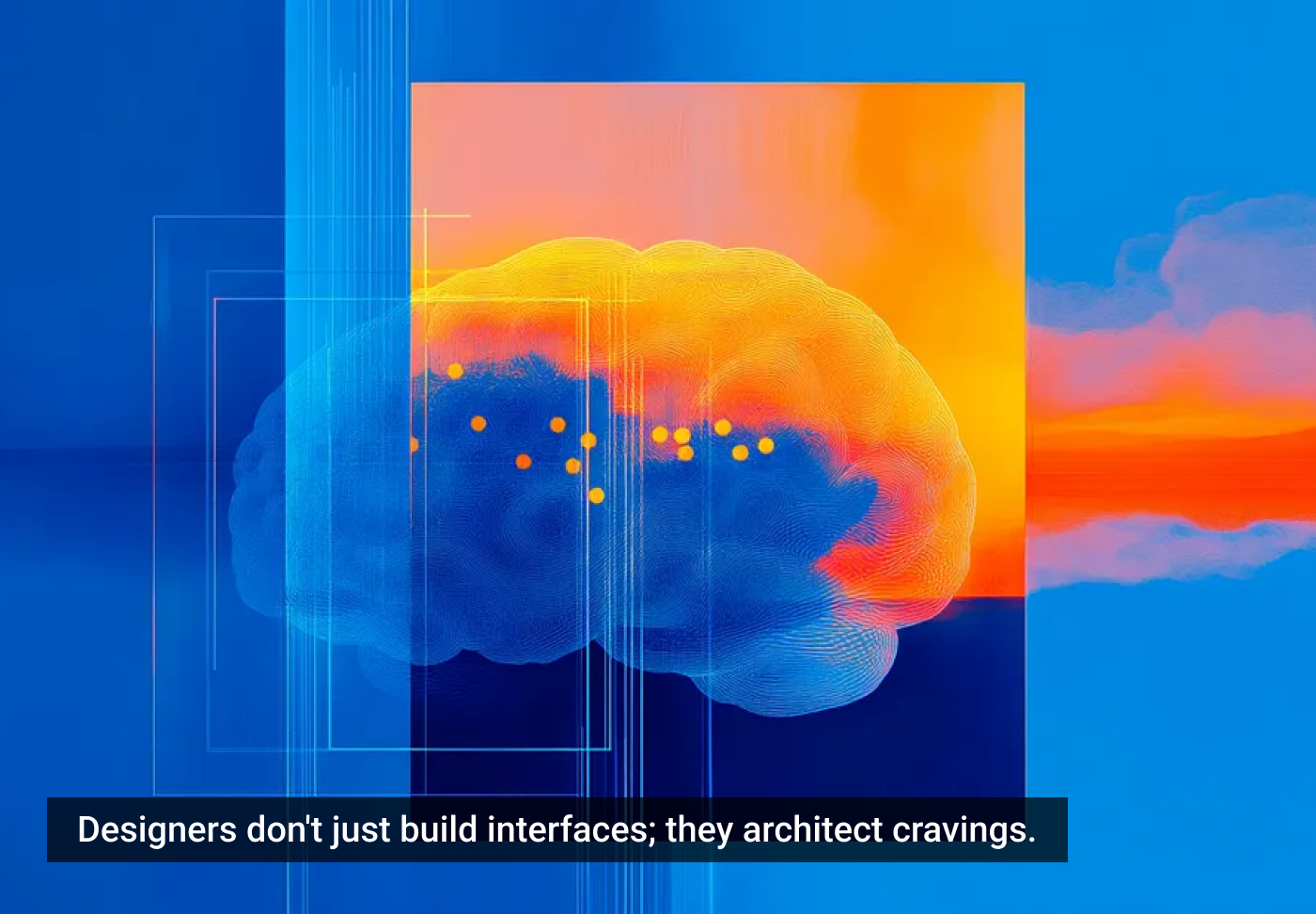
In the world of digital design, creating engaging experiences isn’t just an art; it’s a science. Behind every notification, scroll, or tap lies a calculated effort to trigger dopamine, the brain’s reward chemical. But while “dopamine design” can keep users hooked, it also raises ethical questions about its impact.
Let’s explore how psychology shapes addictive UX, the techniques designers use to drive engagement, and the responsibility that comes with wielding this power.
What is dopamine design?
Dopamine is the brain’s “feel-good” neurotransmitter, released when we experience something rewarding. Digital platforms leverage this by designing interactions that keep users coming back for more.
Why it works:
- Reward Loops: Positive reinforcement encourages repeat behavior.
- Anticipation: The promise of a reward is often more compelling than the reward itself.
- Variable Rewards: Unpredictable outcomes (like finding a rare Pokémon in Pokémon GO) make interactions irresistible.
Techniques that trigger dopamine
1. The infinite scroll
Think of social media feeds or TikTok’s For You Page. The endless stream of content creates a flow state, where users lose track of time as they anticipate the next piece of “rewarding” information.
Example: Instagram’s scroll keeps you searching for the next captivating post.
2. Notifications
Notifications are digital nudges, pulling users back into apps. When well-timed, they create a sense of urgency and reward.
Example: “Your friend liked your photo” triggers social validation — a powerful dopamine hit.
3. Gamification
Gamified elements like badges, progress bars, and leaderboards make users feel accomplished and motivated to continue.
Example: Duolingo’s streak system encourages daily use by tapping into users’ fear of breaking their streak.
4. Social proof
Seeing what others are doing (likes, shares, or reviews) activates the brain’s reward system, encouraging similar behavior.
Example: Amazon’s “Customers also bought” section appeals to the fear of missing out (FOMO).
The fine line between engagement and exploitation
While dopamine-driven design can enhance user engagement, it’s a double-edged sword. Overuse of these techniques can lead to compulsive behavior, digital burnout, or even harm.
When does engagement become exploitation?
- Excessive Notifications: Constant pings can overwhelm users, turning helpful reminders into stressors.
- Dark Patterns: Design choices that manipulate users into actions they wouldn’t normally take (e.g., making it hard to unsubscribe).
- Overstimulation: Infinite scrolls or autoplay videos trap users in endless loops, eating away at their time.
Balancing dopamine and ethics
Designers have a responsibility to create experiences that engage without exploiting users. Here’s how to strike the right balance:
1. Use nudges sparingly
Notifications and gamification elements should enhance value, not demand constant attention.
- Do: Send reminders for important actions (e.g., appointment confirmations).
- Don’t: Bombard users with trivial updates.
2. Prioritize user well-being
Offer tools that help users manage their time and usage.
Example: Instagram’s “You’re All Caught Up” message signals when users have seen all new posts, encouraging them to take a break.
3. Be transparent
Clearly communicate how data is used and why certain notifications or features are enabled. Transparency builds trust.
The role of designers in shaping behavior
As designers, we’re not just crafting interfaces — we’re influencing behavior. Every decision, from the color of a button to the frequency of notifications, impacts how users feel and act.
Questions to ask before designing:
- Does this feature add value for the user or just for the business?
- Could this design lead to compulsive behavior?
- How can we design for balance rather than dependency?
Golden rule: Design experiences you’d want for yourself.
Examples of responsible dopamine design
1. Headspace
The meditation app balances engagement with mindfulness, offering gentle nudges without overwhelming users.
2. Apple’s screen time
Apple’s built-in tool helps users track and limit their app usage, promoting healthier habits.
3. YouTube’s bedtime reminder
YouTube allows users to set reminders to stop watching, empowering them to take control of their screen time.
Final thoughts: designing for delight, not dependence
Dopamine design is a powerful tool, but with great power comes great responsibility. By understanding the psychology of engagement and adopting an ethical approach, designers can create experiences that are both addictive and uplifting.
The challenge: Balance the need for business growth with the long-term well-being of users. When we get it right, we don’t just build better products, we build trust, loyalty, and lasting impact.
The article originally appeared on Medium.
Featured image courtesy Omran Khleifat.


Omran Khleifat
Omran Khleifat is a UX Design Manager with over 15 years of experience in fintech, specialising in multi-product ecosystems, design systems, and UX strategy. He writes about UX, behavioural design, and creating meaningful digital experiences.
- The article explains why design succeeds when it triggers dopamine but fails when it prioritizes profit over users’ mental health.
- The piece shows how techniques like endless scrolling and notifications create engagement through reward loops, while becoming harmful when they manipulate users into addiction.
- It outlines the ethical design approach, demonstrating how good UX strikes a balance between engagement and well-being by using nudges carefully and adding real value, rather than creating dependency.