
Flag

We stand with Ukraine and our team members from Ukraine. Here are ways you can help

Get exclusive access to thought-provoking articles, bonus podcast content, and cutting-edge whitepapers. Become a member of the UX Magazine community today!

Home ›› Design ›› User Experience

User Experience

Read these first

Learn why healthcare blames human error instead of fixing broken design, and what needs to change.

Article by Paivi Salminen
Designing for Oops
  • The article explains why mistakes happen, not because we’re careless, but because most systems are built as if humans never mess up.
  • It demonstrates how slips (doing the wrong thing) and mistakes (thinking the wrong thing) require different solutions, including better design for slips and a deeper understanding of mistakes.
  • The piece outlines how aviation and factories prevent errors by removing blame, allowing workers to stop production when something’s off, and designing systems that make it difficult to do the wrong thing, and asks why healthcare hasn’t done the same.
Share:Designing for Oops
4 min read

Discover how psychology influences addictive design and learn to create engaging experiences that respect user needs.

Article by Omran Khleifat
Designing for Dopamine
  • The article explains why design succeeds when it triggers dopamine but fails when it prioritizes profit over users’ mental health.
  • The piece shows how techniques like endless scrolling and notifications create engagement through reward loops, while becoming harmful when they manipulate users into addiction.
  • It outlines the ethical design approach, demonstrating how good UX strikes a balance between engagement and well-being by using nudges carefully and adding real value, rather than creating dependency.
Share:Designing for Dopamine
3 min read

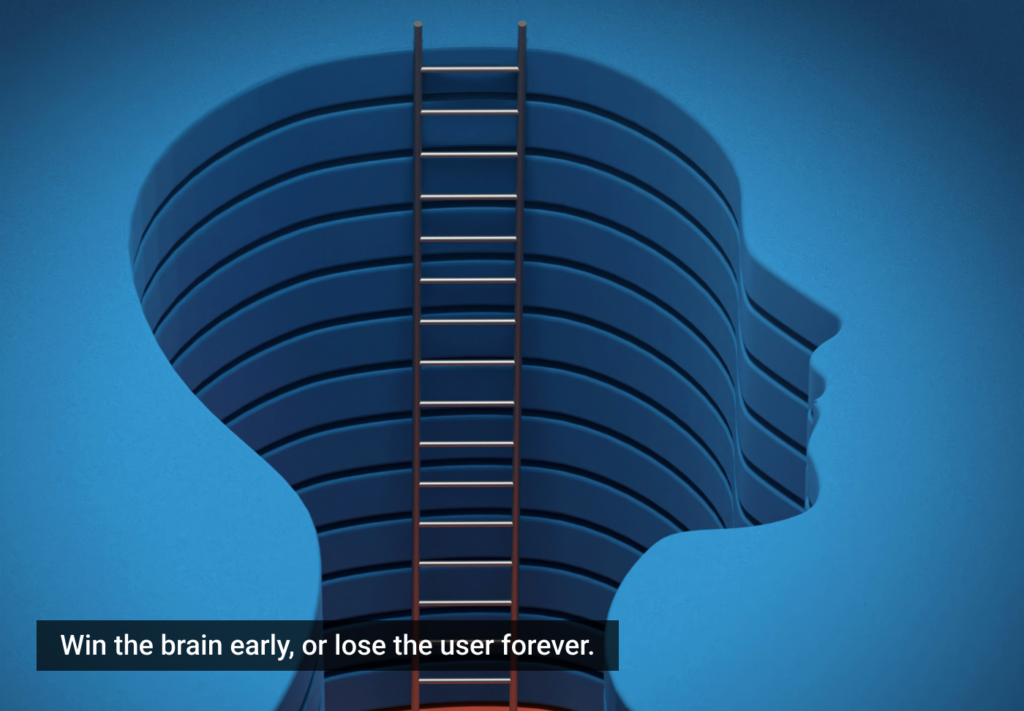
Explore why psychology, not pixels, decides whether users flow effortlessly or freeze in confusion, and how understanding cognition changes everything about UX design.

Article by Tushar Deshmukh
The Cortex-First Approach: Why UX Starts Before the Screen
  • The article explains why UX design fails when it ignores what users’ brains are already doing before they even see the interface or click the first button.
  • The piece shows how aligning design with users’ mental models and emotional states creates effortless experiences, while violating them causes hesitation even in “perfect” interfaces.
  • It outlines the Cortex-First approach, showing how great UX starts by understanding cognitive patterns, emotional responses, and subconscious expectations rather than visual aesthetics.
Share:The Cortex-First Approach: Why UX Starts Before the Screen
6 min read

Learn how Don Norman‘s six interaction design principles explain why some things feel intuitive while others leave us frustrated.

Article by Paivi Salminen
Understanding Don Norman’s Principles of Interaction
  • The article breaks down Don Norman‘s six design principles that help users understand products instantly without needing instructions or feeling confused.
  • The piece shows how good design using Norman‘s principles makes everyday technology easier to use by matching how people naturally think and act.
Share:Understanding Don Norman’s Principles of Interaction
3 min read

Explore how interaction data uncovers hidden user-behavior patterns that drive smarter product decisions, better UX, and continuous improvement.

Article by Srikanth R
The Power of Interaction Data: Tracking User Behavior in Modern Web Apps
  • The article explains how interaction data like clicks, scrolls, and session patterns reveals real user behavior beyond basic analytics.
  • It shows how tools such as heatmaps and session replays turn this data into actionable insights that improve UX and product decisions.
  • The piece emphasizes using behavioral insights responsibly, balancing optimization with user privacy and ethical data practices.
Share:The Power of Interaction Data: Tracking User Behavior in Modern Web Apps
14 min read

Learn when to talk to users, and when to watch them in order to uncover real insights and design experiences that truly work.

Article by Paivi Salminen
Usability Tests vs. Focus Groups
  • The article distinguishes between usability tests and focus groups, highlighting their different roles in UX research.
  • It explains that focus groups gather opinions and attitudes, while usability tests observe real user behavior to find design issues.
  • The piece stresses using each method at the right stage to build the right product and ensure a better user experience.
Share:Usability Tests vs. Focus Groups
2 min read

Join the UX Magazine community!

Stay informed with exclusive content on the intersection of UX, AI agents, and agentic automation—essential reading for future-focused professionals.

Hello!

You're officially a member of the UX Magazine Community.
We're excited to have you with us!

Thank you!

To begin viewing member content, please verify your email.

Tell us about you. Enroll in the course.

    This website uses cookies to ensure you get the best experience on our website. Check our privacy policy and