
Flag

We stand with Ukraine and our team members from Ukraine. Here are ways you can help

Get exclusive access to thought-provoking articles, bonus podcast content, and cutting-edge whitepapers. Become a member of the UX Magazine community today!

Home ›› Behavioral Science ›› The Fascinating Psychology Tricks That Make WORDLE So Addictive

The Fascinating Psychology Tricks That Make WORDLE So Addictive

by Jennifer Clinehens
4 min read
Share this post on
Tweet
Share
Post
Share
Email
Print

Save

The secrets behind the world’s obsession. Learn what psychology and behavioral science principles make Worlde so addictive.

It started a few weeks ago. Tiny, colorful squares started popping up on my Twitter feed.
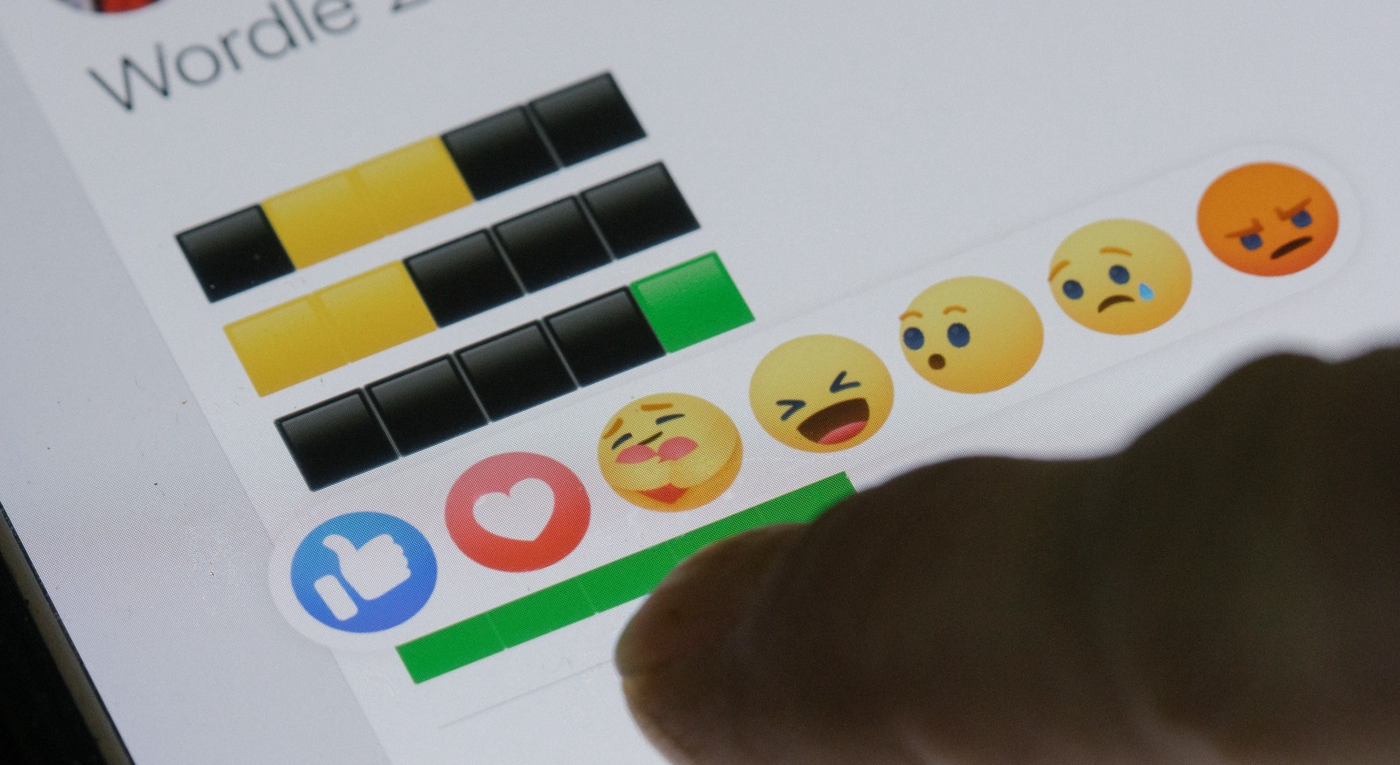
The Fascinating Psychology Tricks That Make WORDLE So Addictive. Colorful squares started popping up on

At first, I only saw one or two. But this week, almost my entire feed became a series of tiny yellow, green, and grey boxes.

The Fascinating Psychology Tricks That Make WORDLE So Addictive. Colorful squares started popping up on

Ladies and gentlemen — we have reached peak Wordle.

People can’t stop playing. But what is it that makes Wordle so addicting?

Turns out, there are some fascinating psychology and behavioral science principles behind the rise of this simple word puzzle— whether the inventors know it or not.

1. Wordle uses Scarcity to stand out

Wordle only offers one game a day. Players complete a single puzzle and that’s it — win or lose. Wordle doesn’t offer the never-ending dopamine rush of a Candy Crush or Bejewelled, and that’s what gives it power.

The time between games gives people a chance to pause. Players chat about that day’s game with family and friends, research first word strategies, or commiserate on the difficulty of today’s puzzle. And this pause makes people start to crave the game.

Why does having fewer Wordles available make people want to play it more?

It’s all down to a psychology principle called Scarcity.

What is Scarcity?

This principle says when people know something is in limited supply, they want it even more.

Without this use of Scarcity, Wordle wouldn’t have been as addicting, and probably not as popular as it is today.

2. When you share a Wordle, people notice

Colorful Wordle results are all over social media. Their visual language is unique, intriguing, and eye-catching. It feels like those green, grey, and yellow boxes tell an epic story, contained in a sequence of tiny squares.

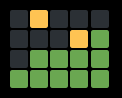
The visual language of Wordle also makes it extremely meme-able. It’s easy for people to take the visual language and repackage it in different ways, like so:
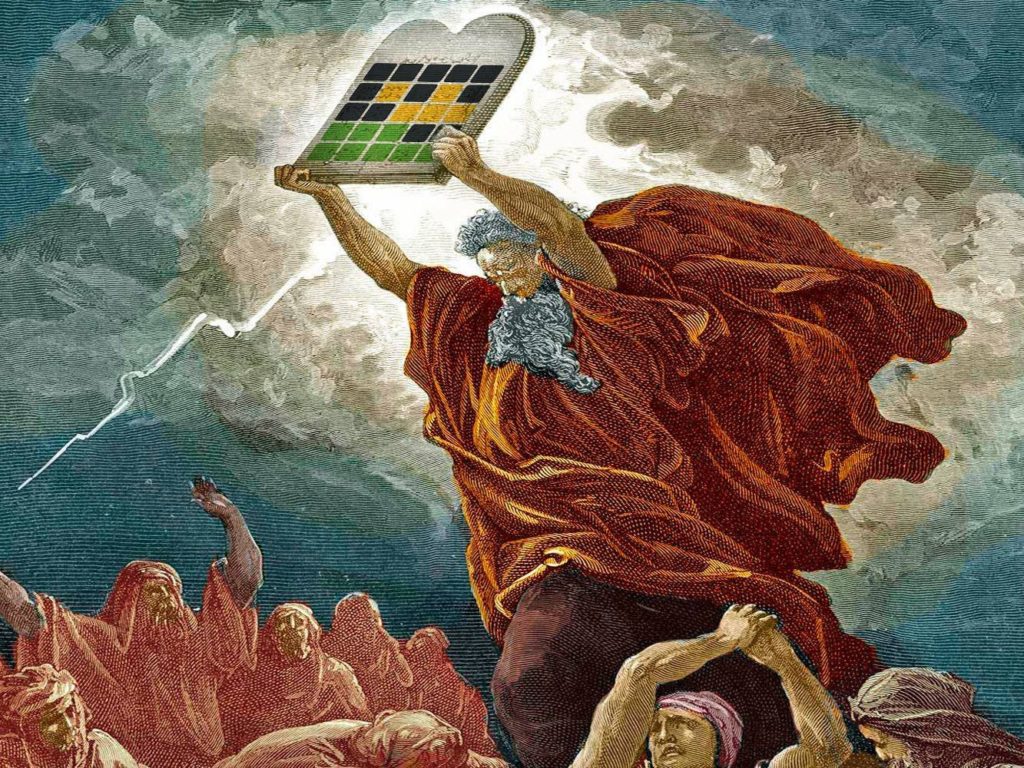
The Fascinating Psychology Tricks That Make WORDLE So Addictive. Colorful squares started popping up on

But why is Wordle’s visual language more appealing than just sharing a pure text update like:

“Today’s Wordle results — fives greens in four moves.”

It’s down to a psychology principle called the Picture Superiority Effect.

What is the Picture Superiority Effect?

This principle says that people remember and understand images better than words.

So not only are Wordle results easy to understand and remember — they also convey an emotional journey that could take hundreds of words to describe, in one small picture.

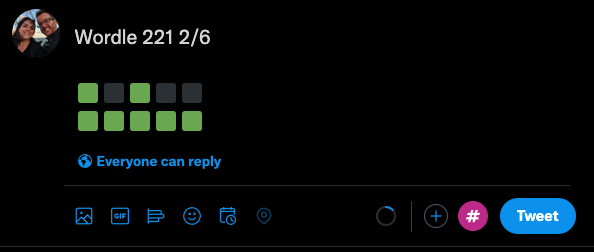
3. Sharing makes it easy to go viral

Behavioral scientists have found that making an activity social is key in getting people to do it. From quitting smoking to riding a Peloton, having ways to share results, connect with friends, and show off your progress makes creating a new habit easier.

The Fascinating Psychology Tricks That Make WORDLE So Addictive. Sharing Wordle makes it easy to go viral.

Wordle makes sharing your results across social media incredibly easy. As soon as you’re done, a “share” button is just begging for you to blast your anonymized results across cyberspace.
The Fascinating Psychology Tricks That Make WORDLE So Addictive. Sharing Wordle makes it easy to go viral.

4. How Wordle creates a habit

Wordle’s design makes it easy to create an enjoyable addiction. But what are the mechanics of creating this habit?

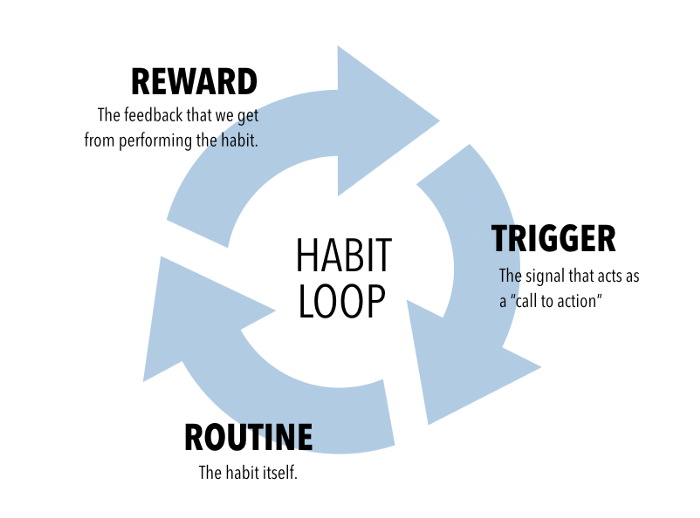
The answer lies in a model discovered by MIT researchers. The “Habit Loop” describes the basic structure behind every habit:

  1. The trigger
  2. The routine
  3. The reward
The “Habit Loop” describes the basic structure behind every habit: the trigger, the routine, the reward.

What is Wordle’s Habit Loop?

1. Trigger:

There are a few triggers that get people to start playing:

  • Stacking: It’s easy to remember to log on and play, because each new game is paired to a new day. The alarm goes off, you reach for your phone, and wake up your brain with Wordle.

In behavioral science, the strategy of pairing a new habit with an activity that’s already a part of your existing routine is called stacking. And many Wordle players are naturally using stacking, knowingly or not.

  • Social Pressure: You’re reminded to pick up today’s Wordle every time you log onto social media, since lots of other players have shared their eye-catching results.

Not only are these posts a good reminder, they also create a social norm — a shared standard of acceptable behavior in a group. In other words, seeing everyone talking about today’s Wordle pressures you to complete it so you won’t get left out.

2. Routine:

Two of the most attractive things about Wordle are how easy it is to learn, and how quick it is to play. A game can take as little as three to five minutes to complete.

With no big time investment, it’s easy to make it a habit.

3. Reward:

  • Variable Rewards: Wordle has unexpected, or variable, rewards throughout the game in the form of green squares. Whenever you get a letter correctly, in the right place, it turns green. These little dopamine hits keep you playing.
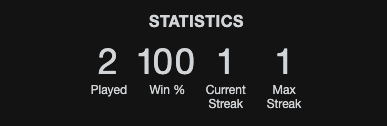
  • Streaks: Wordle uses a streak mechanic to keep people playing day after day. Streaks are proven to increase daily active users in apps like Duolingo and adherence to healthy habits like working out.
The “Habit Loop” describes the basic structure behind every habit: the trigger, the routine, the reward.

The Bottom Line

Wordle has become a sensation in record time. And sure, some of its success is due to timing and luck. But it would have never become as popular as it is without psychology and behavioral science principles at work in the game.

Originally published in Choice Hacking

post authorJennifer Clinehens

Jennifer Clinehens
I’m an evidence-based marketer who combines art and science to create impactful customer relationships with brands. Writing where decisions, design, and behavioral science meet. Author, CX That Sings and Choice Hacking.

Tweet
Share
Post
Share
Email
Print
Ideas In Brief
  • There are certain things that make WORDLE so addictive:
    • Wordle uses Scarcity to stand out.
    • When you share a Wordle, people notice.
    • Sharing Wordle makes sharing your results across social media incredibly easy.
  • How Wordle creates a habit — the “Habit Loop” describes the basic structure behind every habit:
    1. The trigger
    2. The routine
    3. The reward
  • Wordle would have never become as popular as it is without psychology and behavioral science principles at work in the game.

Related Articles

Find out why slapping badges and points into your app doesn’t work and what six principles from real game design actually drive long-term engagement.

Article by Montgomery Singman
Gamification 2.0. Beyond Points and Badges: Designing for Players, Not Metrics. Chapter 2: The Solution
  • The piece argues that gamification fails when game aesthetics are borrowed, but game logic is not. Real game designers use six principles to bring real engagement: authentic mastery, meaningful choice, flow-calibrated challenge, rewarded exploration, self-expressed identity, and real social interdependence. The fix isn’t more mechanics; it’s making the experience itself worth repeating.
Share:Gamification 2.0. Beyond Points and Badges: Designing for Players, Not Metrics. Chapter 2: The Solution
5 min read

Learn how one product designer built a faster, sharper workflow where AI does the scaffolding, judgment owns the outcome, and nothing ships without a traceable why.

Article by Pavel Bukengolts
The Spiral Climbs: Ideas Are Expensive, Systems Are Cheap
  • The piece explores that design is no longer about designing screens but owning systems, bets, and outcomes. But the core judgment, empathy, and research are irreplaceable. I chain Miro, Figma, VS Code, GitHub, and Jira into one traceable loop from idea to learning. AI takes on the exploration and scaffolding. People own architecture, security, and accountability. A 48-hour operating cadence of small, measurable bets, linked artifacts, and documented decisions keeps speed honest.
Share:The Spiral Climbs: Ideas Are Expensive, Systems Are Cheap
6 min read

Discover why the points, badges, and streaks in your favorite apps aren’t really gamification.

Article by Montgomery Singman
Gamification 2.0. Beyond Points and Badges: Designing for Players, Not Metrics. Chapter 1: The Problem
  • The piece claims that most apps misuse gamification, copying superficial mechanics like points and badges that trick rather than motivate people, and that the experience itself is what truly drives engagement, just like good games do.
Share:Gamification 2.0. Beyond Points and Badges: Designing for Players, Not Metrics. Chapter 1: The Problem
4 min read

Join the UX Magazine community!

Stay informed with exclusive content on the intersection of UX, AI agents, and agentic automation—essential reading for future-focused professionals.

Hello!

You're officially a member of the UX Magazine Community.
We're excited to have you with us!

Thank you!

To begin viewing member content, please verify your email.

Get Paid to Test AI Products

Earn an average of $100 per test by reviewing AI-first product experiences and sharing your feedback.

    Tell us about you. Enroll in the course.

      This website uses cookies to ensure you get the best experience on our website. Check our privacy policy and