
Flag

We stand with Ukraine and our team members from Ukraine. Here are ways you can help

Get exclusive access to thought-provoking articles, bonus podcast content, and cutting-edge whitepapers. Become a member of the UX Magazine community today!

Home ›› Design ›› Design Thinking

Design Thinking

Read these first

Learn about common Agile anti-patterns. Lessons from Laura Klein.

Article by Paivi Salminen
Unhappy Agile Teams Are Unhappy in Familiar Ways
  • The article makes a sharp point: struggling Agile teams love to think their problems are unique. They rarely are.
  • It breaks down the traps that quietly kill Agile teams, like endless feature shipping, siloed workflows, and design treated as an afterthought.
  • The piece reminds us that looking Agile and actually being Agile are two very different things.
Share:Unhappy Agile Teams Are Unhappy in Familiar Ways
6 min read

Discover how smart color choices influence user emotions, behavior, and digital experiences.

Article by Upeksha Sandeepani
The Psychology of Color in UI/UX Design
  • The article shows that color acts as a psychological factor in design, influencing how users feel and behave before they even notice layout or text.
  • It reveals that thoughtful color choices convey meaning more quickly than words, making interfaces feel more intuitive and emotionally engaging.
  • The piece argues designers must see color as a communication tool that conveys emotion, culture, and brand, not just decoration.
Share:The Psychology of Color in UI/UX Design
4 min read

Learn why products fail despite good design.

Article by Tushar Deshmukh
The Psychology Gap: Why Teams Misinterpret User Behavior
  • The article explains why teams misread users: designers work in calm environments while users operate under stress and distraction, creating a gap between how products are built and how they’re actually used.
  • It shows how team biases, assuming users will “figure it out” or projecting their own behavior, turn assumptions into bad design before testing even begins.
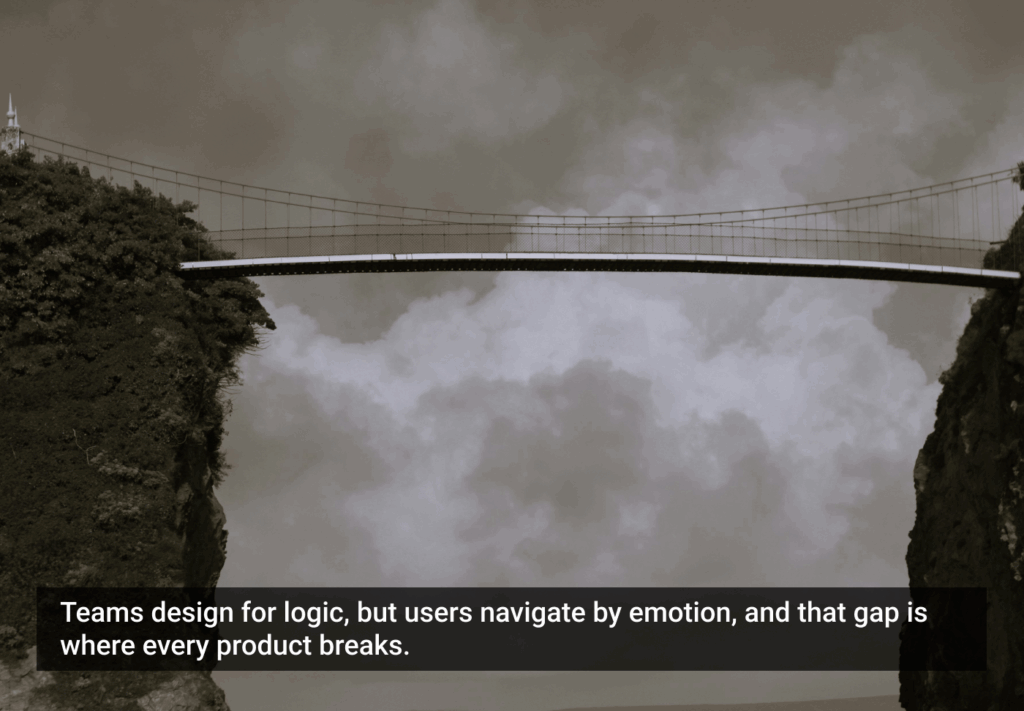
  • The piece argues products fail because teams misunderstand how users think and feel, not because screens are wrong, and fixing this means designing for emotion, not just logic.
Share:The Psychology Gap: Why Teams Misinterpret User Behavior
8 min read

Learn why healthcare blames human error instead of fixing broken design, and what needs to change.

Article by Paivi Salminen
Designing for Oops
  • The article explains why mistakes happen, not because we’re careless, but because most systems are built as if humans never mess up.
  • It demonstrates how slips (doing the wrong thing) and mistakes (thinking the wrong thing) require different solutions, including better design for slips and a deeper understanding of mistakes.
  • The piece outlines how aviation and factories prevent errors by removing blame, allowing workers to stop production when something’s off, and designing systems that make it difficult to do the wrong thing, and asks why healthcare hasn’t done the same.
Share:Designing for Oops
4 min read

Learn when to talk to users, and when to watch them in order to uncover real insights and design experiences that truly work.

Article by Paivi Salminen
Usability Tests vs. Focus Groups
  • The article distinguishes between usability tests and focus groups, highlighting their different roles in UX research.
  • It explains that focus groups gather opinions and attitudes, while usability tests observe real user behavior to find design issues.
  • The piece stresses using each method at the right stage to build the right product and ensure a better user experience.
Share:Usability Tests vs. Focus Groups
2 min read

When a traveler loses her bag, a simple UX flaw turns inconvenience into chaos. What if smart design and AI could turn that moment into a story of trust instead?

Article by Krystian M. Frahn
UX Promptly Needed: a Railway Digital Transformation Story
  • The article shows how poor UX design in railway lost and found systems creates frustration and inefficiency for passengers and staff.
  • It argues that applying human-centered design and AI-powered tools, such as QR-based tracking and digital reporting, could transform the process into a seamless, trust-building experience.
Share:UX Promptly Needed: a Railway Digital Transformation Story
3 min read

Join the UX Magazine community!

Stay informed with exclusive content on the intersection of UX, AI agents, and agentic automation—essential reading for future-focused professionals.

Hello!

You're officially a member of the UX Magazine Community.
We're excited to have you with us!

Thank you!

To begin viewing member content, please verify your email.

Get Paid to Test AI Products

Earn an average of $100 per test by reviewing AI-first product experiences and sharing your feedback.

    Tell us about you. Enroll in the course.

      This website uses cookies to ensure you get the best experience on our website. Check our privacy policy and