
Flag

We stand with Ukraine and our team members from Ukraine. Here are ways you can help

Get exclusive access to thought-provoking articles, bonus podcast content, and cutting-edge whitepapers. Become a member of the UX Magazine community today!

Home ›› Design ›› Design Thinking ›› Page 2

Design Thinking

Read these first

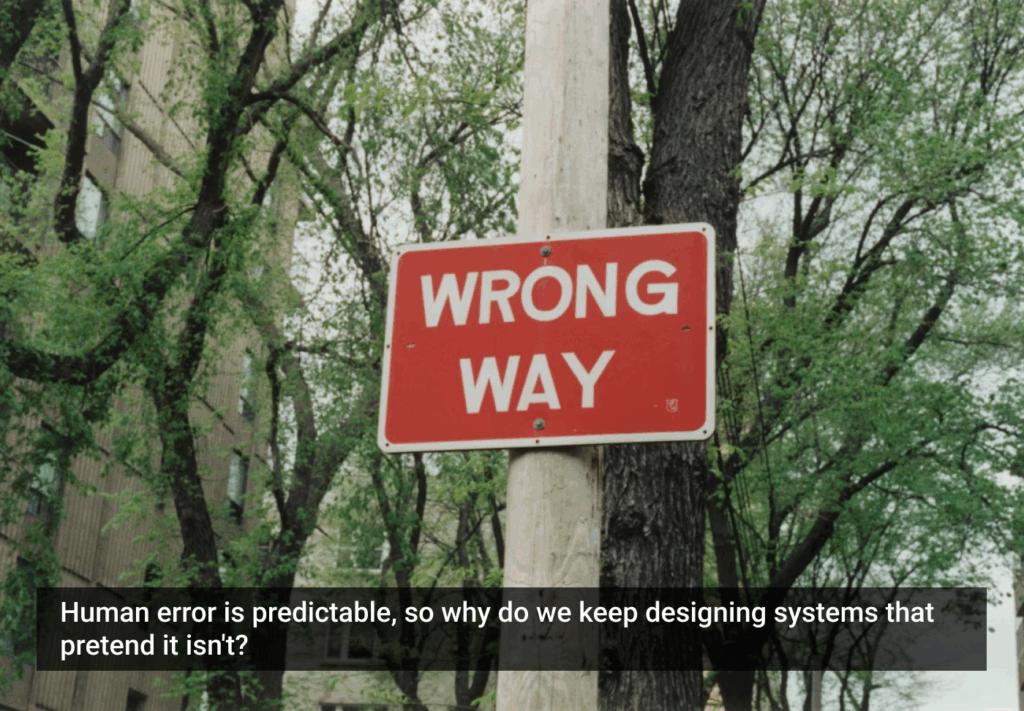
Learn why healthcare blames human error instead of fixing broken design, and what needs to change.

Article by Paivi Salminen
Designing for Oops
  • The article explains why mistakes happen, not because we’re careless, but because most systems are built as if humans never mess up.
  • It demonstrates how slips (doing the wrong thing) and mistakes (thinking the wrong thing) require different solutions, including better design for slips and a deeper understanding of mistakes.
  • The piece outlines how aviation and factories prevent errors by removing blame, allowing workers to stop production when something’s off, and designing systems that make it difficult to do the wrong thing, and asks why healthcare hasn’t done the same.
Share:Designing for Oops
4 min read

Learn when to talk to users, and when to watch them in order to uncover real insights and design experiences that truly work.

Article by Paivi Salminen
Usability Tests vs. Focus Groups
  • The article distinguishes between usability tests and focus groups, highlighting their different roles in UX research.
  • It explains that focus groups gather opinions and attitudes, while usability tests observe real user behavior to find design issues.
  • The piece stresses using each method at the right stage to build the right product and ensure a better user experience.
Share:Usability Tests vs. Focus Groups
2 min read

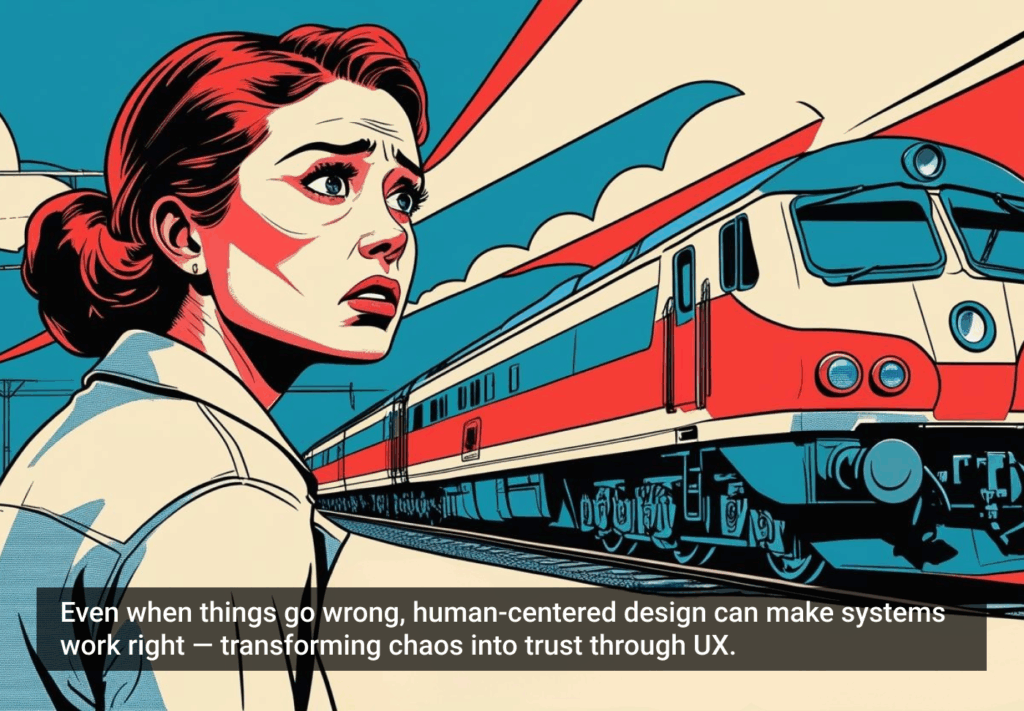
When a traveler loses her bag, a simple UX flaw turns inconvenience into chaos. What if smart design and AI could turn that moment into a story of trust instead?

Article by Krystian M. Frahn
UX Promptly Needed: a Railway Digital Transformation Story
  • The article shows how poor UX design in railway lost and found systems creates frustration and inefficiency for passengers and staff.
  • It argues that applying human-centered design and AI-powered tools, such as QR-based tracking and digital reporting, could transform the process into a seamless, trust-building experience.
Share:UX Promptly Needed: a Railway Digital Transformation Story
3 min read

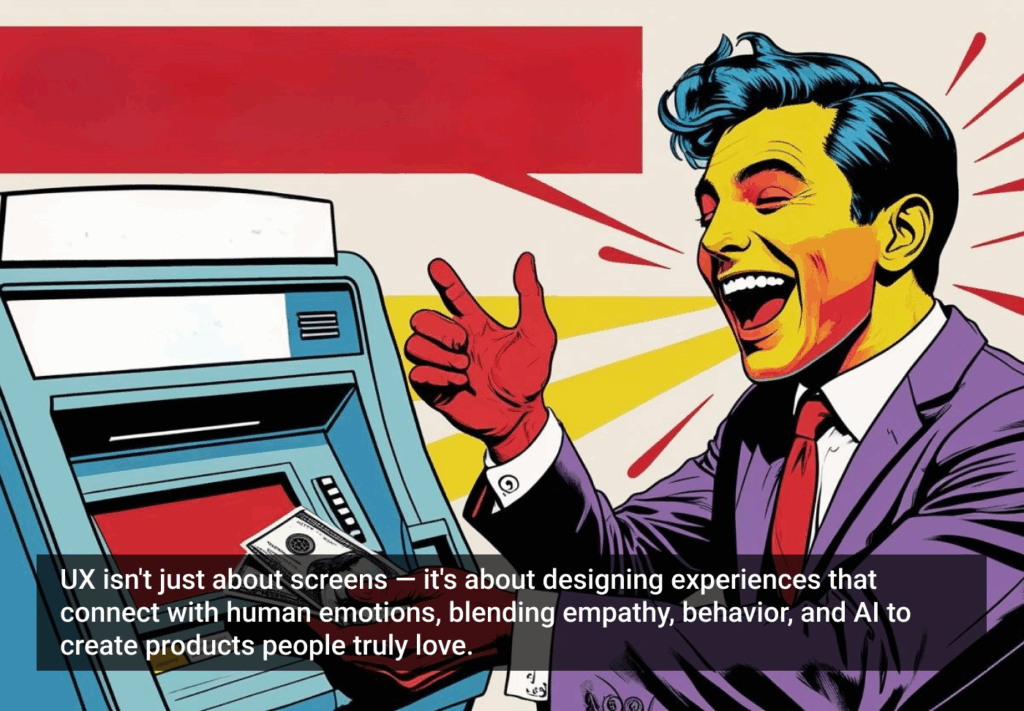
UX isn’t just about screens — it’s about feelings. This article explores why the future of UX depends on blending artificial and emotional intelligence to create truly human experiences.

Article by Krystian M. Frahn
UX is More Than Screens: The Art of Designing Emotions
  • The article shows how Steve Jobs’ shift from “form follows function” to “form follows emotion” transformed design into a deeply human practice centered on empathy.
  • It explains that emotions drive perception, usability, and loyalty — making emotional intelligence essential to meaningful user experiences.
  • The piece argues that the future of UX lies in uniting artificial and emotional intelligence to create technology that feels truly human.
Share:UX is More Than Screens: The Art of Designing Emotions
6 min read

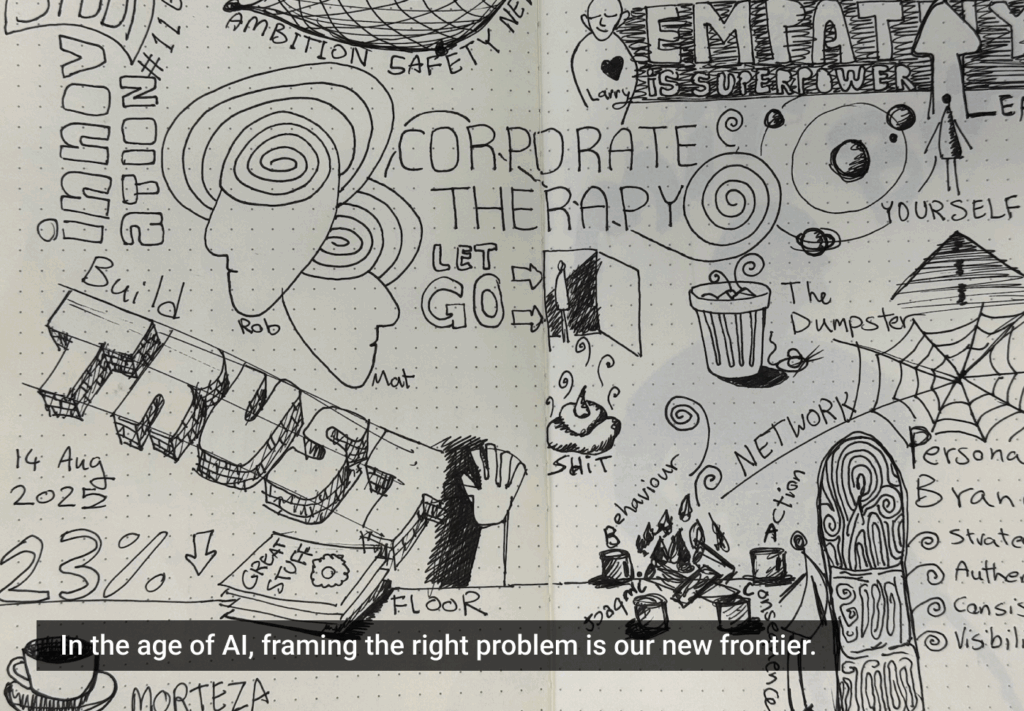
As AI takes on more of the solution work, the real craft of design shifts to how we frame the problem. This piece explores why staying with uncertainty and resisting the urge to rush to answers may be a designer’s most powerful skill.

Article by Morteza Pourmohamadi
The Frame, the Illusion, and the Brief
  • The article highlights that as AI takes over more of the solution work, the designer’s true craft lies in framing the problem rather than rushing to solve it.
  • It shows how cognitive biases like the need for closure or action bias can distort our perception, making careful problem framing essential for clarity and creativity.
  • The piece argues that framing is itself a design act — a practice of staying with uncertainty long enough to cultivate shared understanding and more meaningful outcomes.
Share:The Frame, the Illusion, and the Brief
3 min read

Learn how understanding user emotions can create intuitive, supportive designs that build trust and loyalty.

Article by Pavel Bukengolts
The Role of Emotion in UX: Embracing Emotionally Intelligent Design
  • The article emphasizes that emotionally intelligent design is key to creating meaningful UX that satisfies users and drives business success.
  • It shows how understanding users’ emotions — through research, empathy mapping, journey mapping, and service blueprinting — can reveal hidden needs and shape more intuitive, reassuring digital experiences.
  • The piece argues that embedding empathy and emotional insights into design strengthens user engagement, loyalty, and overall satisfaction.
Share:The Role of Emotion in UX: Embracing Emotionally Intelligent Design
5 min read

Join the UX Magazine community!

Stay informed with exclusive content on the intersection of UX, AI agents, and agentic automation—essential reading for future-focused professionals.

Hello!

You're officially a member of the UX Magazine Community.
We're excited to have you with us!

Thank you!

To begin viewing member content, please verify your email.

Get Paid to Test AI Products

Earn an average of $100 per test by reviewing AI-first product experiences and sharing your feedback.

    Tell us about you. Enroll in the course.

      This website uses cookies to ensure you get the best experience on our website. Check our privacy policy and