
- Artificial Intelligence, Design Leadership, Future of Work, Human-AI Collaboration, Product Design, User Experience, UX × AI Series, UX Design
AI can create wireframes, synthesize research, and draft copy fast. What it can’t do: understand your users, carry context, or be accountable when something goes wrong. That’s still you.
- AI is not replacing UX pros; it’s automating repetitive tasks and augmenting human capabilities.
- Think of AI as an intern: quick, smart, but dependent on human direction, context, and judgment.
- Human skills like empathy, research, systems thinking, and ethical decision-making are more important than ever.
- The future belongs to designers who incorporate AI to accelerate execution and devote more time to strategic, human-centered work.
Share this link
- June 23, 2026

- Agile, Agile UX, Design Systems, Design Thinking, Product Design, UX Design, UX Strategy
Another lesson from studying UX with Laura Klein.
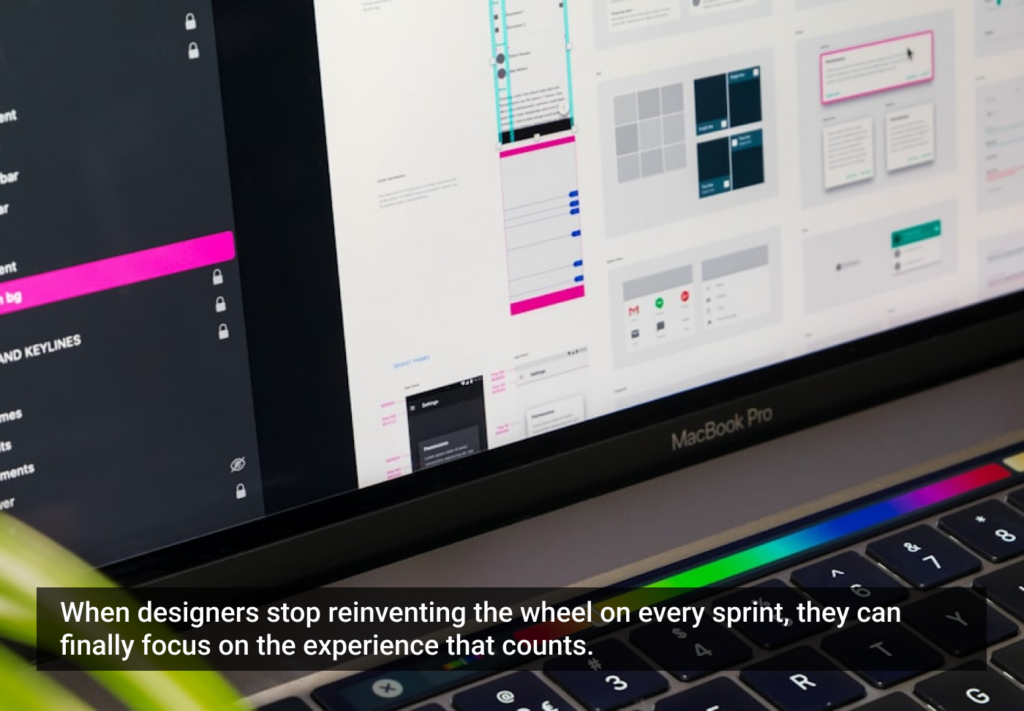
- Agile teams are fast, but designers get stuck in an infinite loop of visual work: redesigning the same components over and over instead of solving real UX problems.
- Design systems break that cycle, defining the building blocks once, freeing designers to focus on how the product works, not how it looks.
- When the basics are in place, teams can start working together sooner, prototype faster, and release incremental features without the interface falling apart.
Share this link
- June 18, 2026
- Behavioral Design, Game Design, Gamification Series, Human-Centered Design, Product Design, User Experience, UX Design
Real engagement is about designing experiences that people want to have. Here are some things that games do well that most apps don’t.
- Most apps use gamification as a manipulation layer to drive metrics, but people engage with things that are truly worthy of their time, not points or streak guilt.
- Apps that people stick with do this by designing for intrinsic motivation, making the experience itself rewarding.
- The true measure of success is whether users feel more capable, accomplished, and enriched for having used your app.
Share this link
- June 16, 2026
- Artificial Intelligence, Career, Future of Work, Product Design, Technology, UX Design, UX Research
For researchers, AI tools are making the move from advising to building easier than ever. But the real obstacle was never technical. Meet the researchers who allowed themselves to create — and what the cost was.
- The article says that becoming a maker as a researcher is less about learning new tools or skills and more about giving yourself a new identity, and that without fixing the internal permission structures that define your swim lane, even the most democratized AI tools won’t turn a researcher into a maker — you don’t have a founder; you have a frustrated advisor with a prototype.
Share this link
- June 10, 2026
- Behavioral Design, Game Design, Gamification Series, Player Engagement, Product Design, User Psychology, UX Design
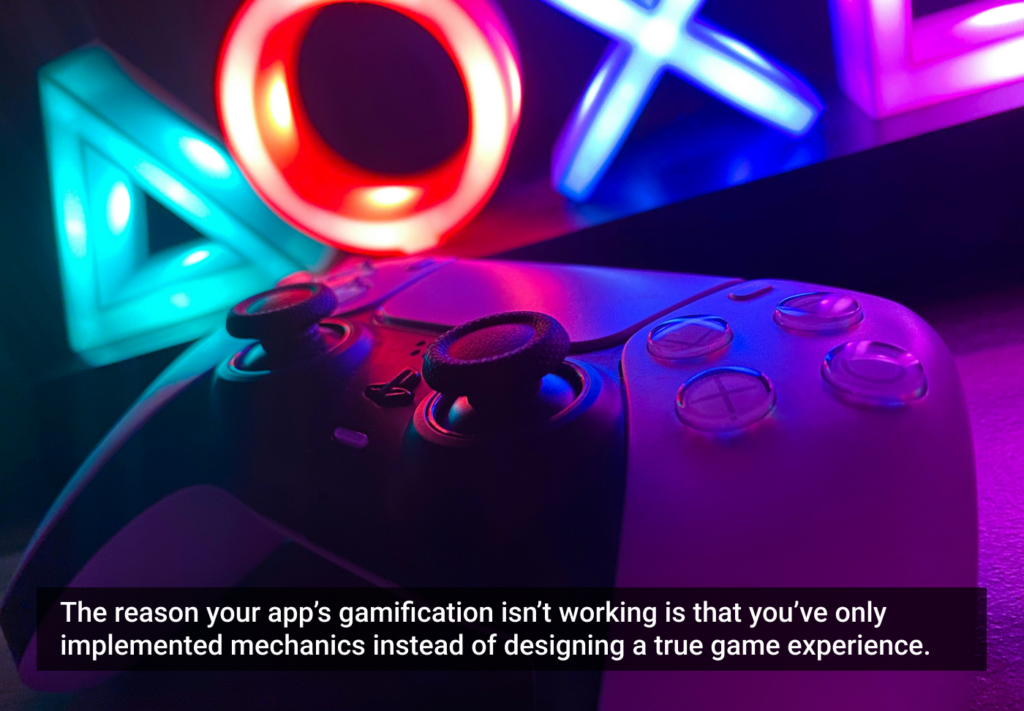
Learn why authentic gamification is rooted in game genres rather than just collecting badges.
- The article says that successful gamification is picking a game genre that fits your app’s core activities and user psychology, building satisfying intrinsic loops before adding extrinsic rewards, and iterating nonstop, and that without these foundations, you don’t have gamification; you have a progress bar that has a terminal point.
Share this link
- June 9, 2026
- Critical Thinking, Design Leadership, Design Strategy, Design Thinking, Innovation
Reveal the three-part kernel that separates real problem framing from simple description.
- The piece argues that if you don’t have these three core elements: broadly collecting raw material, connecting elements to surface real tensions, and committing to a point of view, you don’t have a problem frame yet; you have a description.
Share this link
- June 4, 2026