
Flag

We stand with Ukraine and our team members from Ukraine. Here are ways you can help

Get exclusive access to thought-provoking articles, bonus podcast content, and cutting-edge whitepapers. Become a member of the UX Magazine community today!

Home ›› Accessibility

Accessibility

Read these first

Learn how usability, accessibility, and inclusivity connect under the idea of human-centered design.

Article by Paivi Salminen
Usability, Accessibility, and Inclusivity
  • The article shows that usability, accessibility, and inclusivity are different concepts that work together to create good design.
  • It explains that accessibility removes barriers for disabled users, while inclusivity designs for all types of human diversity.
  • The piece emphasizes that great design needs all three: usability makes things easy, accessibility makes them possible, and inclusivity makes them fair.
Share:Usability, Accessibility, and Inclusivity
3 min read

Discover how ableism influences our interfaces and why real design begins with humanity, not assumptions.

Article by Tamara Sredojevic
Ableist Design: Challenging Systemic Norms
  • The article claims that design often defaults to an able-bodied “norm,” making exclusion a structural rather than an unwanted consequence.
  • It illustrates that accessibility mistakes come from assumptions: designers believe who the user is instead of investigating, researching, or involving Disabled people.
  • The piece highlights that accessibility must be built in from the start and seen as an ethical, collective responsibility rather than a specialized add-on or professional task.
Share:Ableist Design: Challenging Systemic Norms
24 min read

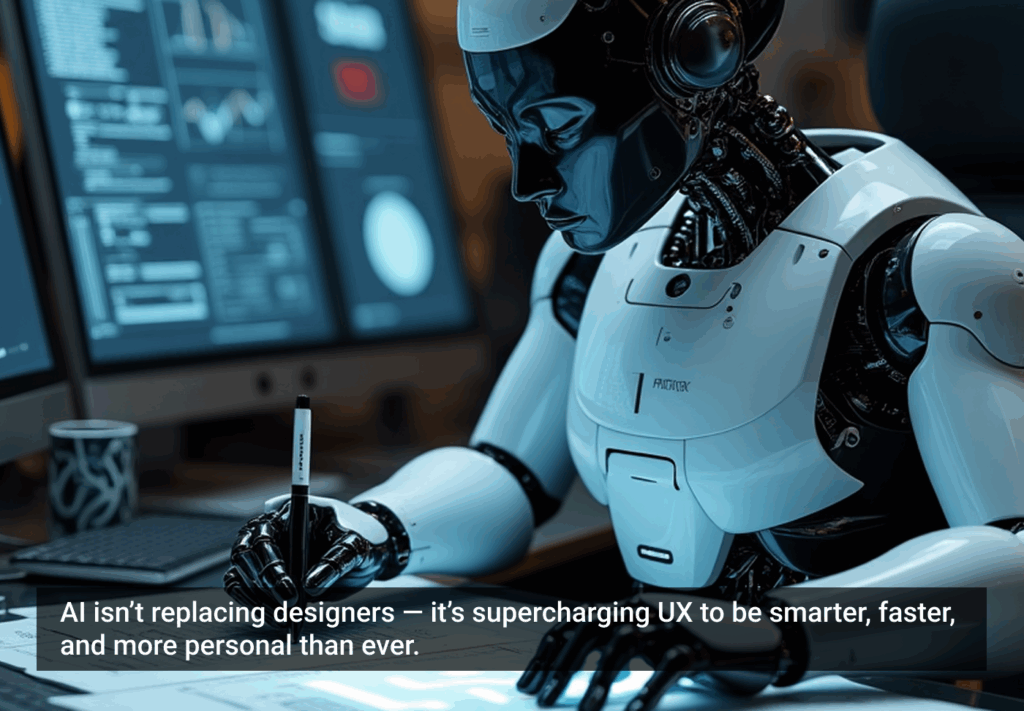
AI isn’t replacing designers — it’s making them unstoppable. From personalization to prototyping, discover how AI is redefining the future of UX.

Article by Nayyer Abbas
AI in UX Design: How Artificial Intelligence is Shaping User Experiences
  • The article shows how AI enhances designers rather than replacing them.
  • It highlights AI’s role in personalization, research, prototyping, and accessibility.
  • The piece concludes that AI amplifies human creativity and drives better user experiences and business growth.
Share:AI in UX Design: How Artificial Intelligence is Shaping User Experiences
3 min read

Voice and immersive interfaces are no longer futuristic extras — they’re redefining how we shop, learn, and live. Is your product ready for this shift?

Article by Katre Pilvinski
Voice and Immersive Interfaces: Preparing Your Product for the Future of UX
  • The article shows that voice and immersive interfaces are becoming mainstream, not experimental.
  • It argues these technologies shine where traditional interfaces fail — in multitasking, accessibility, and spatial understanding.
  • The piece urges a voice-first mindset and a shift toward more natural, human-centered interactions.
Share:Voice and Immersive Interfaces: Preparing Your Product for the Future of UX
3 min read

Figma adds AI and new tools to stay on top, but its future faces big risks.

Article by Alex Smith
Figma takes on all of the competition in the age of AI
  • This article provides and overview and perspective on how Figma is leveling up its tools — adding AI, website publishing, and advanced drawing so designers can do more in one place.

  • They’re going after big competitors like Adobe, Canva, and Webflow by making Figma’s platform a “one-stop shop” for design and marketing work.

  • This author believes that despite the AI hype, Figma isn’t dying — they’re adapting fast to keep users happy and stay on top.

  • The big risk is the future — if Figma goes public and raises prices, they could become like Adobe (huge but expensive) or risk losing users to the next big, more intuitive design tool.

Share:Figma takes on all of the competition in the age of AI
3 min read

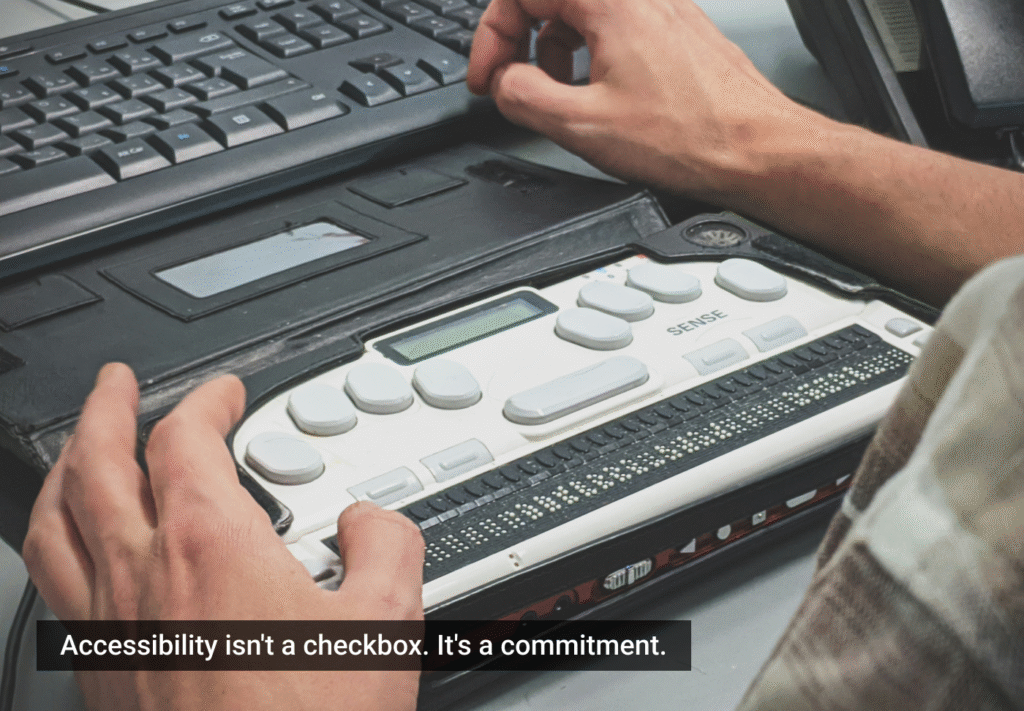
A conversation between a blind digital accessibility consultant and a UX designer.

Article by Tamara Sredojevic
Being Blind on the Internet
  • The article explores what it’s like to navigate the internet as a blind person.
  • It shows how even basic tasks become difficult due to poor design, missing labels, and inaccessible interfaces.
  • It argues that true accessibility requires empathy, inclusion, and designing with blind users from the start.
Share:Being Blind on the Internet
14 min read

Join the UX Magazine community!

Stay informed with exclusive content on the intersection of UX, AI agents, and agentic automation—essential reading for future-focused professionals.

Hello!

You're officially a member of the UX Magazine Community.
We're excited to have you with us!

Thank you!

To begin viewing member content, please verify your email.

Get Paid to Test AI Products

Earn an average of $100 per test by reviewing AI-first product experiences and sharing your feedback.

    Tell us about you. Enroll in the course.

      This website uses cookies to ensure you get the best experience on our website. Check our privacy policy and