Flag

We stand with Ukraine and our team members from Ukraine. Here are ways you can help

Get exclusive access to thought-provoking articles, bonus podcast content, and cutting-edge whitepapers. Become a member of the UX Magazine community today!

Home ›› Design ›› Rob Weychert – Design Interview

Rob Weychert – Design Interview

by Howard Mann
1 min read
Share this post on
Tweet
Share
Post
Share
Email
Print

Save

Great interview with designer Rob Weychert. “The web…still has a lot to learn about itself. If you think of the two media as people, print is a wise old man who is set in his ways, whereas the web is still a child, unformed and full of potential.”

Great interview with designer Rob Weychert. “The web…still has a lot to learn about itself. If you think of the two media as people, print is a wise old man who is set in his ways, whereas the web is still a child, unformed and full of potential.”

post authorHoward Mann

Howard Mann
Howard Mann is the founder of Brickyard Partners, a business strategy agency based in Portland, OR. Prior to founding Brickyard Partners in 2001, Mann owned a premier international logistics company with over 140 Million in revenue, six U.S. offices and a global network of over 40 agents worldwide. As that business came under severe pressure from the previous economic downturn and industry consolidation, Howard lead the company out from those treacherous times by returning to the basics that make every business great and completing 6 acquisitions that re-imagined the business so it was highly attractive to buyers. Finding that “secret sauce” did not come easily but has fueled his purpose to help other business leaders to never have to go through what he endured. 

Through real world experience and those hard times in the “trenches” of business he has learned that it is not following the latest fad, copying competitors or adding complexity that makes a business truly great. His pragmatic approach and knowing what it feels like to sit in the CEO/Owner chair is what makes his work so different and effective. In addition to his strategy, marketing and communications work, Mann coaches a select group of entrepreneurs, CEO's and business owners. His highly focused workshops and keynotes help executive teams take aggressive action to unlock the true potential of their organizations and build remarkable businesses that endure. In good times and bad. Online and off. Howard is a sought after speaker both in the U.S. and around the world. He writes frequently on his blog about the importance of the basics and reconnecting to the passion that too often gets lost as businesses mature.

Tweet
Share
Post
Share
Email
Print

Related Articles

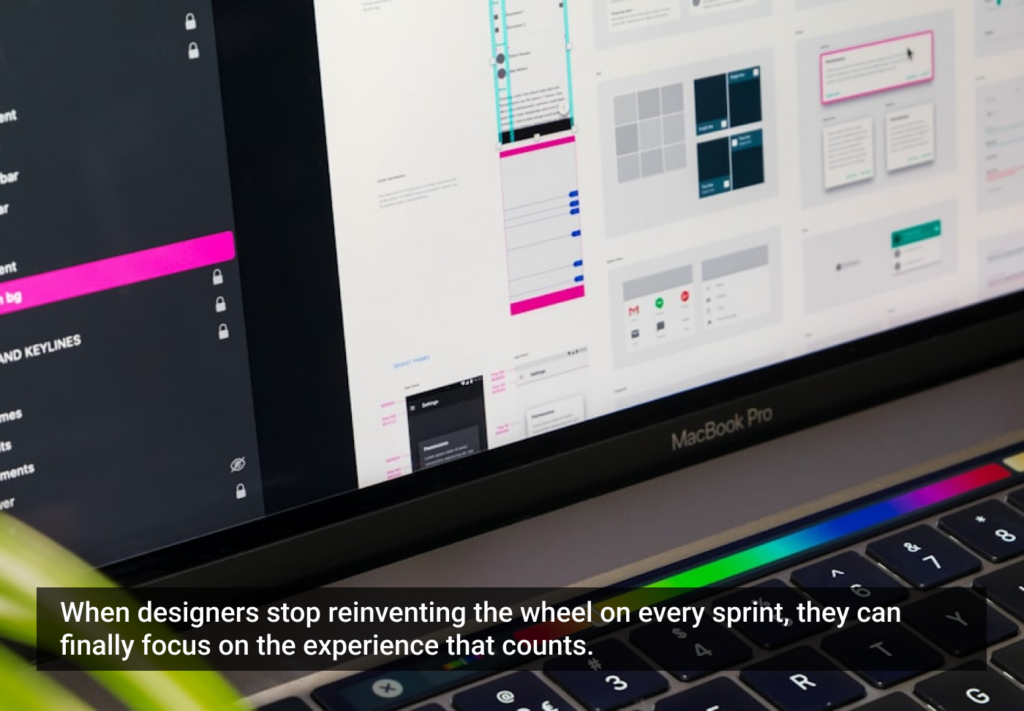
Design isn’t just about looks; it’s about human nature. Discover how simple psychological principles can make your product stand out.

Article by Canvs.in
Designing with Psychology to Make Products Stick
  • The article shows how psychology, not just features, makes products memorable.
  • It highlights principles like delight, internal triggers, and false consensus as keys to stickiness.
  • It argues that strong design balances trade-offs and roots choices in real user behavior.
Share:Designing with Psychology to Make Products Stick
7 min read

What makes players keep coming back? This piece explores the psychology of hot streaks — how momentum, perception, and smart design can turn short wins into lasting engagement.

Article by Montgomery Singman
The Psychology of Hot Streak Game Design: How to Keep Players Coming Back Every Day Without Shame
  • The article shows how hot streaks tap into players’ psychology, turning momentum into motivation.
  • It highlights the hot-hand fallacy, where players overestimate their chances of continued success.
  • The piece argues that ethical streak design should enhance engagement without exploiting addictive behavior.
Share:The Psychology of Hot Streak Game Design: How to Keep Players Coming Back Every Day Without Shame
26 min read

Trusting AI isn’t the goal — relying on it is. This article explores why human trust and AI reliance are worlds apart, and what UX designers should focus on to make AI feel dependable, not human.

Article by Verena Seibert-Giller
The Psychology of Trust in AI: Why “Relying on AI” Matters More than “Trusting It”
  • The article argues that “reliance,” not “trust,” is the right way to think about users’ relationship with AI.
  • It explains that human trust and AI reliance are driven by different psychological mechanisms.
  • The piece highlights that predictability, transparency, and control make users more willing to rely on AI.
  • It concludes that users don’t need to trust AI as a partner — only rely on it as a dependable tool.
Share:The Psychology of Trust in AI: Why “Relying on AI” Matters More than “Trusting It”
4 min read

Join the UX Magazine community!

Stay informed with exclusive content on the intersection of UX, AI agents, and agentic automation—essential reading for future-focused professionals.

Hello!

You're officially a member of the UX Magazine Community.
We're excited to have you with us!

Thank you!

To begin viewing member content, please verify your email.

Tell us about you. Enroll in the course.

    This website uses cookies to ensure you get the best experience on our website. Check our privacy policy and