




Flag

We stand with Ukraine and our team members from Ukraine. Here are ways you can help

Get exclusive access to thought-provoking articles, bonus podcast content, and cutting-edge whitepapers. Become a member of the UX Magazine community today!

Home ›› Confronting Complexity with GraphQL

Confronting Complexity with GraphQL

by Josh Tyson
1 min read
Share this post on
Tweet
Share
Post
Share
Email
Print

Save

With GraphQL, teams can move fast, building AI-enabled tools that solve complex problems — that’s the conversation with Matt DeBergalis on this episode of Invisible Machines.

The CEO and Co-founder of Apollo GraphQL, Matt knows a thing or two about building systems that scale. With a background in electrical engineering and computer science from MIT, experience founding multiple startups, and leading open-source communities, he’s also the founder and president of ActBlue, the platform that’s raised over $9 billion from millions of grassroots donors.

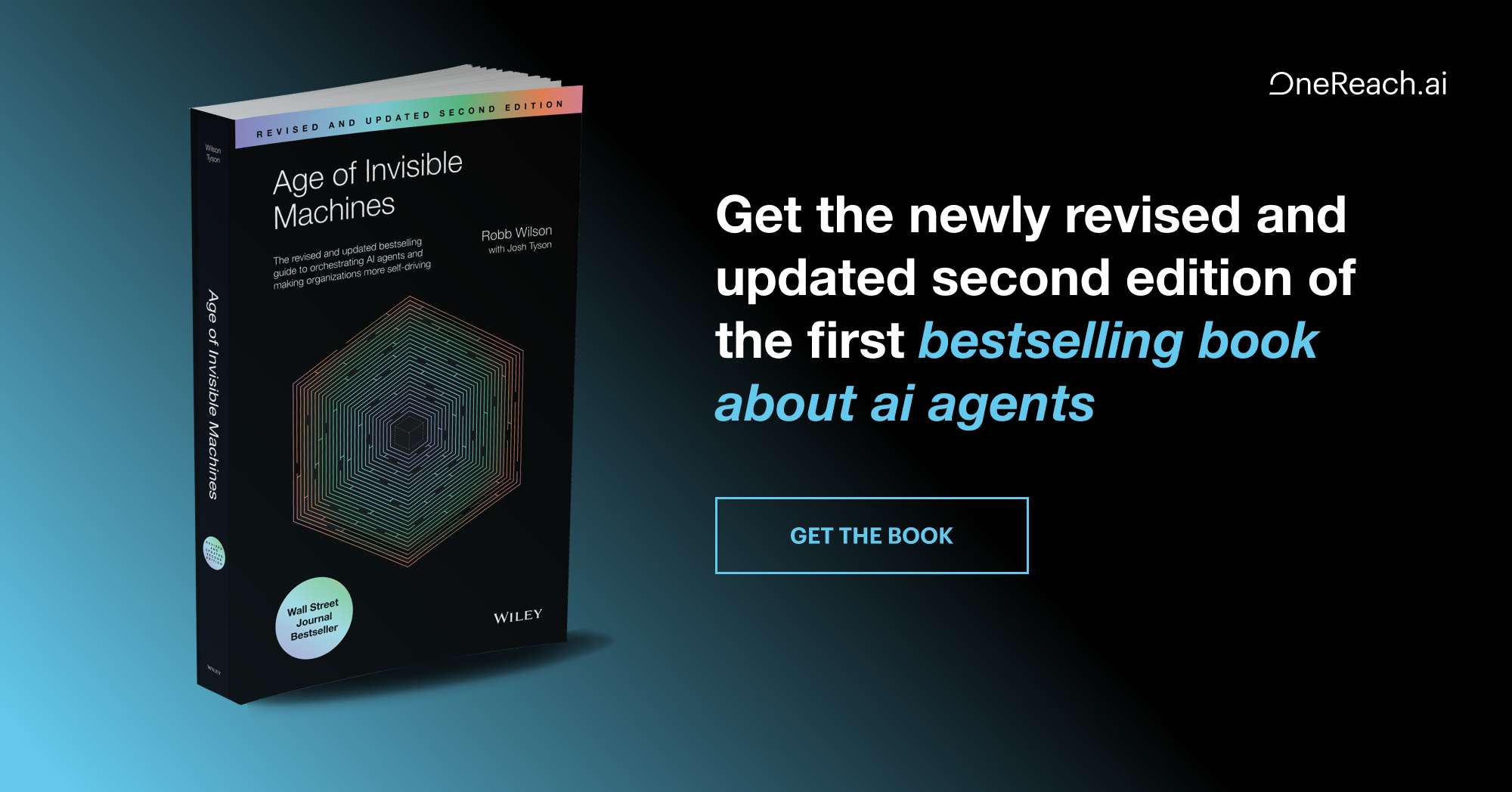
In this episode, Matt joins OneReach.ai CEO, Robb Wilson, and his coauthor of their bestselling book (Age of Invisible Machines), Josh Tyson to unpack how GraphQL is helping developers build smarter, AI-powered solutions.

Here’s what you’ll hear:

  • Why GraphQL makes data fetching precise, flexible, and easier for developers.
  • How creating your own tools gives organizations a real edge with agentic AI.
  • Ways teams can experiment, adapt, and move quickly in complex environments.
  • A walk down memory lane to the early internet and why ChatGPT was the mother of all demos.

Whether you’re a developer, a tech leader, or just curious about AI in action, this episode is full of practical insights. Listen to the episode to hear Matt DeBergalis share how GraphQL and agentic AI are shaping the future of building smarter systems.

post authorJosh Tyson

Josh Tyson
Josh Tyson is the co-author of the first bestselling book about conversational AI, Age of Invisible Machines. He is also the Director of Creative Content at OneReach.ai and co-host of both the Invisible Machines and N9K podcasts. His writing has appeared in numerous publications over the years, including Chicago Reader, Fast Company, FLAUNT, The New York Times, Observer, SLAP, Stop Smiling, Thrasher, and Westword. 

Tweet
Share
Post
Share
Email
Print

Related Articles

When a traveler loses her bag, a simple UX flaw turns inconvenience into chaos. What if smart design and AI could turn that moment into a story of trust instead?

Article by Krystian M. Frahn
UX Promptly Needed: a Railway Digital Transformation Story
  • The article shows how poor UX design in railway lost and found systems creates frustration and inefficiency for passengers and staff.
  • It argues that applying human-centered design and AI-powered tools, such as QR-based tracking and digital reporting, could transform the process into a seamless, trust-building experience.
Share:UX Promptly Needed: a Railway Digital Transformation Story
3 min read

AI is changing how designers work — speeding up workflows, sparking creativity, and taking care of the tedious parts. But it’s not here to replace designers — it’s here to amplify their insight, empathy, and impact.

Article by Nayyer Abbas
AI Boosts for UI/UX Designers: Fast Growth with Smart Tools
  • The article explores how AI transforms UI/UX design by automating repetitive tasks, speeding up workflows, and enhancing creativity across ideation, prototyping, and research.
  • It argues that AI empowers rather than replaces designers, freeing them to focus on insight, empathy, and strategy while maintaining ethical and user-centered design.
Share:AI Boosts for UI/UX Designers: Fast Growth with Smart Tools
5 min read

AI didn’t just change work — it removed the starting point. This piece explores what happens when early-career jobs vanish, and why the most “future-proof” skills might be the oldest ones.

Article by Pavel Bukengolts
AI, Early-Career Jobs, and the Return to Thinking
  • The article illustrates how AI is quickly taking over beginner-level jobs that involve routine work.
  • The piece argues that the skills that remain most valuable are human ones, like critical thinking, communication, big-picture understanding, and ethics.
  • It suggests that companies must decide whether to replace junior staff with AI or use AI to help train and support them.
Share:AI, Early-Career Jobs, and the Return to Thinking
5 min read

Join the UX Magazine community!

Stay informed with exclusive content on the intersection of UX, AI agents, and agentic automation—essential reading for future-focused professionals.

Hello!

You're officially a member of the UX Magazine Community.
We're excited to have you with us!

Thank you!

To begin viewing member content, please verify your email.

Get Paid to Test AI Products

Earn an average of $100 per test by reviewing AI-first product experiences and sharing your feedback.

    Tell us about you. Enroll in the course.

      This website uses cookies to ensure you get the best experience on our website. Check our privacy policy and