
Flag

We stand with Ukraine and our team members from Ukraine. Here are ways you can help

Get exclusive access to thought-provoking articles, bonus podcast content, and cutting-edge whitepapers. Become a member of the UX Magazine community today!

Home ›› Human-Centered Design ›› Page 2

Human-Centered Design

Read these first

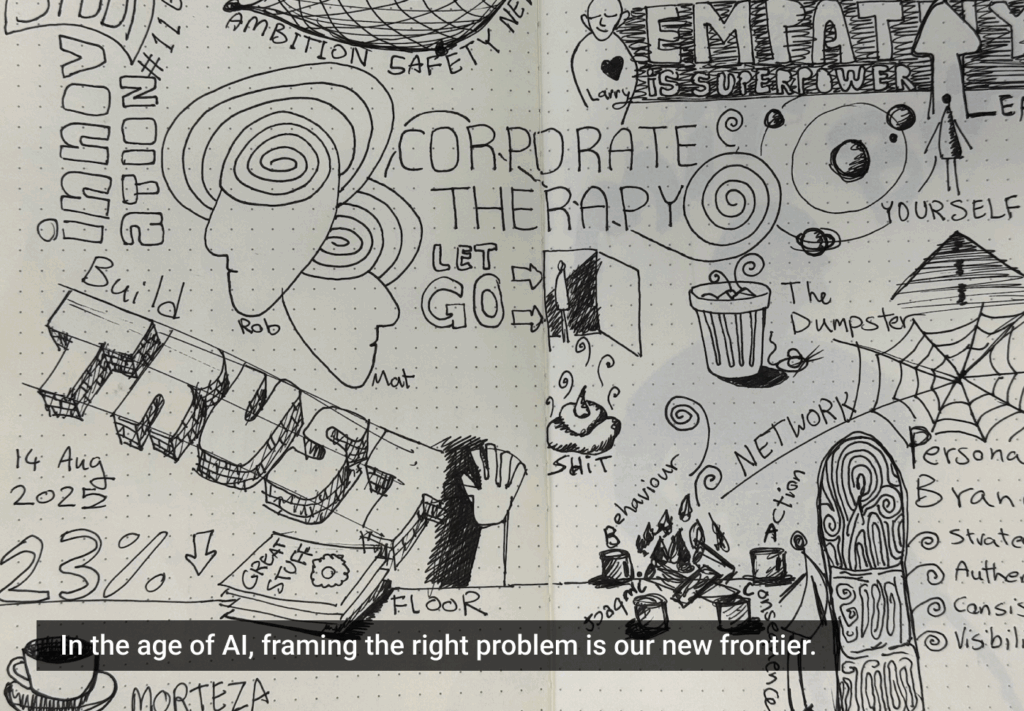
As AI takes on more of the solution work, the real craft of design shifts to how we frame the problem. This piece explores why staying with uncertainty and resisting the urge to rush to answers may be a designer’s most powerful skill.

Article by Morteza Pourmohamadi
The Frame, the Illusion, and the Brief
  • The article highlights that as AI takes over more of the solution work, the designer’s true craft lies in framing the problem rather than rushing to solve it.
  • It shows how cognitive biases like the need for closure or action bias can distort our perception, making careful problem framing essential for clarity and creativity.
  • The piece argues that framing is itself a design act — a practice of staying with uncertainty long enough to cultivate shared understanding and more meaningful outcomes.
Share:The Frame, the Illusion, and the Brief
3 min read

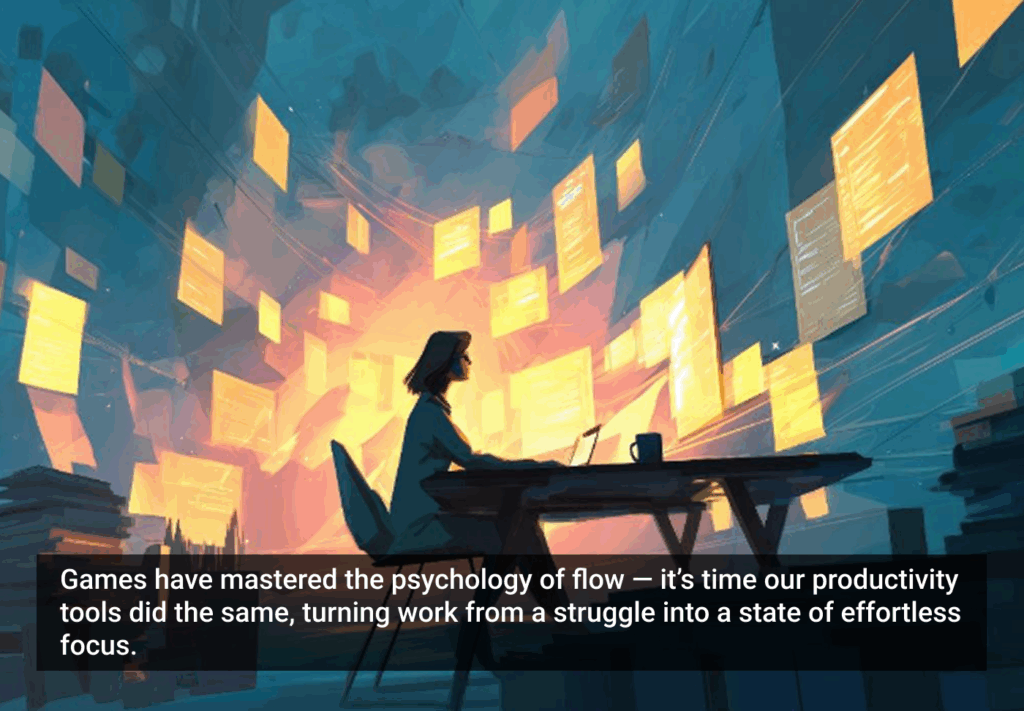
What if your productivity app could keep you as focused as your favorite game? This article explores how game design psychology can transform everyday tools into experiences that spark flow, focus, and real engagement.

Article by Montgomery Singman
Flow State Design: Applying Game Psychology to Productivity Apps
  • The article shows how principles from game design can help productivity tools create and sustain a flow state.
  • It explains that games succeed by balancing challenge and skill, providing clear goals, and offering immediate feedback — elements most productivity apps lack.
  • The piece argues that applying these psychological insights could make work tools more engaging, adaptive, and motivating.
Share:Flow State Design: Applying Game Psychology to Productivity Apps
12 min read

Trusting AI isn’t the goal — relying on it is. This article explores why human trust and AI reliance are worlds apart, and what UX designers should focus on to make AI feel dependable, not human.

Article by Verena Seibert-Giller
The Psychology of Trust in AI: Why “Relying on AI” Matters More than “Trusting It”
  • The article argues that “reliance,” not “trust,” is the right way to think about users’ relationship with AI.
  • It explains that human trust and AI reliance are driven by different psychological mechanisms.
  • The piece highlights that predictability, transparency, and control make users more willing to rely on AI.
  • It concludes that users don’t need to trust AI as a partner — only rely on it as a dependable tool.
Share:The Psychology of Trust in AI: Why “Relying on AI” Matters More than “Trusting It”
4 min read

Voice and immersive interfaces are no longer futuristic extras — they’re redefining how we shop, learn, and live. Is your product ready for this shift?

Article by Katre Pilvinski
Voice and Immersive Interfaces: Preparing Your Product for the Future of UX
  • The article shows that voice and immersive interfaces are becoming mainstream, not experimental.
  • It argues these technologies shine where traditional interfaces fail — in multitasking, accessibility, and spatial understanding.
  • The piece urges a voice-first mindset and a shift toward more natural, human-centered interactions.
Share:Voice and Immersive Interfaces: Preparing Your Product for the Future of UX
3 min read

AI’s promise isn’t about more tools — it’s about orchestrating them with purpose. This article shows why random experiments fail, and how systematic design can turn chaos into ‘Organizational AGI.’

Article by Yves Binda
Random Acts of Intelligence
  • The article critiques the “hammer mentality” of using AI without a clear purpose.
  • It argues that real progress lies in orchestrating existing AI patterns, not chasing new tools.
  • The piece warns that communication complexity — the modern Tower of Babel — is AI’s biggest challenge.
  • It calls for outcome-driven, ethical design to move from random acts to “Organizational AGI.”
Share:Random Acts of Intelligence
5 min read

Mashed potatoes as a lifestyle brand? When AI starts generating user personas for absurd products — and we start taking them seriously — it’s time to ask if we’ve all lost the plot. This sharp, irreverent critique exposes the real risks of using LLMs as synthetic users in UX research.

Article by Saul Wyner
Have SpudGun, Will Travel: How AI’s Agreeableness Risks Undermining UX Thinking
  • The article explores the growing use of AI-generated personas in UX research and why it’s often a shortcut with serious flaws.
  • It introduces critiques that LLMs are trained to mimic structure, not judgment. When researchers use AI as a stand-in for real users, they risk mistaking coherence for credibility and fantasy for data.
  • The piece argues that AI tools in UX should be assistants, not oracles. Trusting “synthetic users” or AI-conjured feedback risks replacing real insights with confident nonsense.
Share:Have SpudGun, Will Travel: How AI’s Agreeableness Risks Undermining UX Thinking
22 min read

Join the UX Magazine community!

Stay informed with exclusive content on the intersection of UX, AI agents, and agentic automation—essential reading for future-focused professionals.

Hello!

You're officially a member of the UX Magazine Community.
We're excited to have you with us!

Thank you!

To begin viewing member content, please verify your email.

Tell us about you. Enroll in the course.

    This website uses cookies to ensure you get the best experience on our website. Check our privacy policy and