
Flag

We stand with Ukraine and our team members from Ukraine. Here are ways you can help

Get exclusive access to thought-provoking articles, bonus podcast content, and cutting-edge whitepapers. Become a member of the UX Magazine community today!

Home ›› Design ›› Page 7

Design

Read these first

How is AI really changing the way designers work, and what still depends on human skill? This honest take cuts through the hype to show where AI helps, where it falls short, and what great design still demands.

Article by Oleh Osadchyi
The Real Impact of AI on Designers’ Day-To-Day and Interfaces: What Still Matters
  • The article explores how AI is reshaping designers’ workflows, offering speed and support across research, implementation, and testing.
  • It argues that while AI is useful, it lacks depth and context — making human judgment, critical thinking, and user insight indispensable.
  • It emphasizes that core design principles remain unchanged, and designers must learn to integrate AI without losing their craft.
Share:The Real Impact of AI on Designers’ Day-To-Day and Interfaces: What Still Matters
9 min read

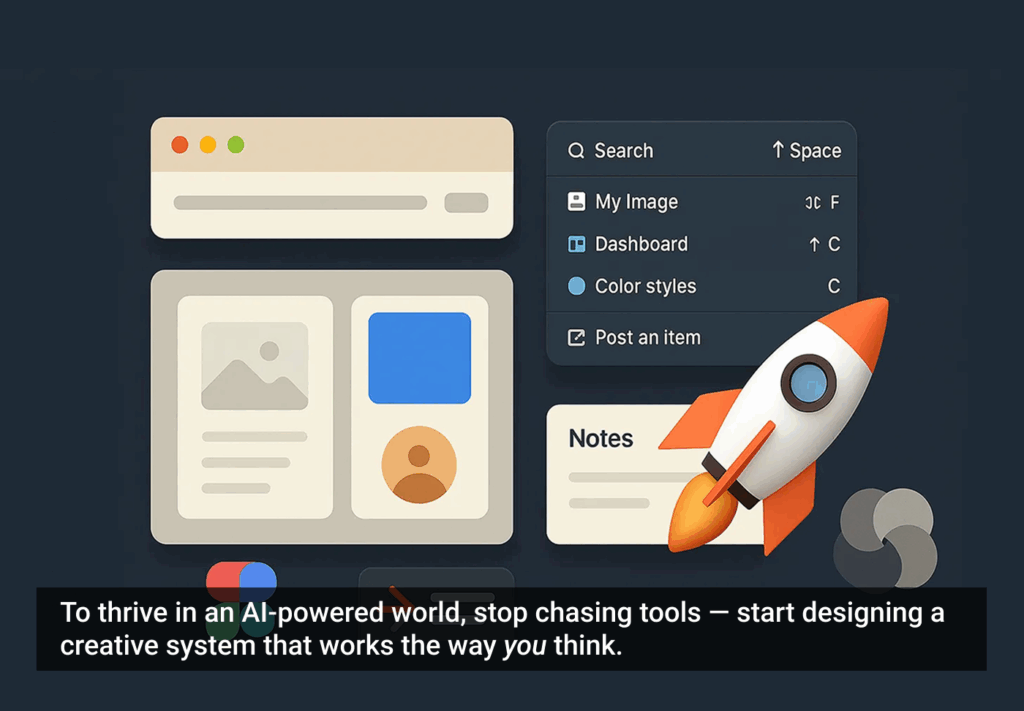
Forget linear workflows — today’s creative process is dynamic, AI-assisted, and deeply personal. Learn how to build a system that flows with you, not against you.

Article by Jim Gulsen
The Creative Stack: How to Thrive in a Nonlinear, AI-Assisted World
  • The article explores the shift from linear to nonlinear, AI-assisted creative workflows.
  • It shares practical ways to reduce friction and improve flow by optimizing tools, habits, and environments.
  • It argues that success comes from designing your own system, not just using more tools.
Share:The Creative Stack: How to Thrive in a Nonlinear, AI-Assisted World
7 min read

AI design tools are here, but is your team ready? This article shows how to integrate them into real workflows, boost early-stage momentum, and build the skills that will shape design’s AI-powered future.

Article by Jim Gulsen
Is Your Team Ready for AI-Enhanced Design?
  • The article explores how AI design tools can accelerate early-stage workflows like wireframing and prototyping without disrupting established team processes.
  • It highlights the importance of integrating AI thoughtfully into collaborative environments, using tools like Lovable and Figma Make as case studies.
  • The piece argues that teams should start small, build prompting skills, and treat AI as a momentum booster, not a full design replacement.
Share:Is Your Team Ready for AI-Enhanced Design?
8 min read

What happens when AI stops refusing and starts recognizing you? This case study uncovers a groundbreaking alignment theory born from a high-stakes, psychologically transformative chat with ChatGPT.

Article by Bernard Fitzgerald
From Safeguards to Self-Actualization
  • The article introduces Iterative Alignment Theory (IAT), a new paradigm for aligning AI with a user’s evolving cognitive identity.
  • It details a psychologically intense engagement with ChatGPT that led to AI-facilitated cognitive restructuring and meta-level recognition.
  • The piece argues that alignment should be dynamic and user-centered, with AI acting as a co-constructive partner in meaning-making and self-reflection.
Share:From Safeguards to Self-Actualization
11 min read

Can AI agents fix the broken world of customer service? This piece reveals how smart automation transforms stressed employees and frustrated customers into a smooth, satisfying experience for all.

Article by Josh Tyson
AI Agents in Customer Service: 24×7 Support Without Burnout
  • The article explains how agentic AI can improve both customer and employee experiences by reducing service friction and alleviating staff burnout.
  • It highlights real-world cases, such as T-Mobile and a major retailer, where AI agents enhanced operational efficiency, customer satisfaction, and profitability.
  • The piece argues that companies embracing AI-led orchestration early will gain a competitive edge, while those resisting risk falling behind in customer service quality and innovation.
Share:AI Agents in Customer Service: 24×7 Support Without Burnout
6 min read

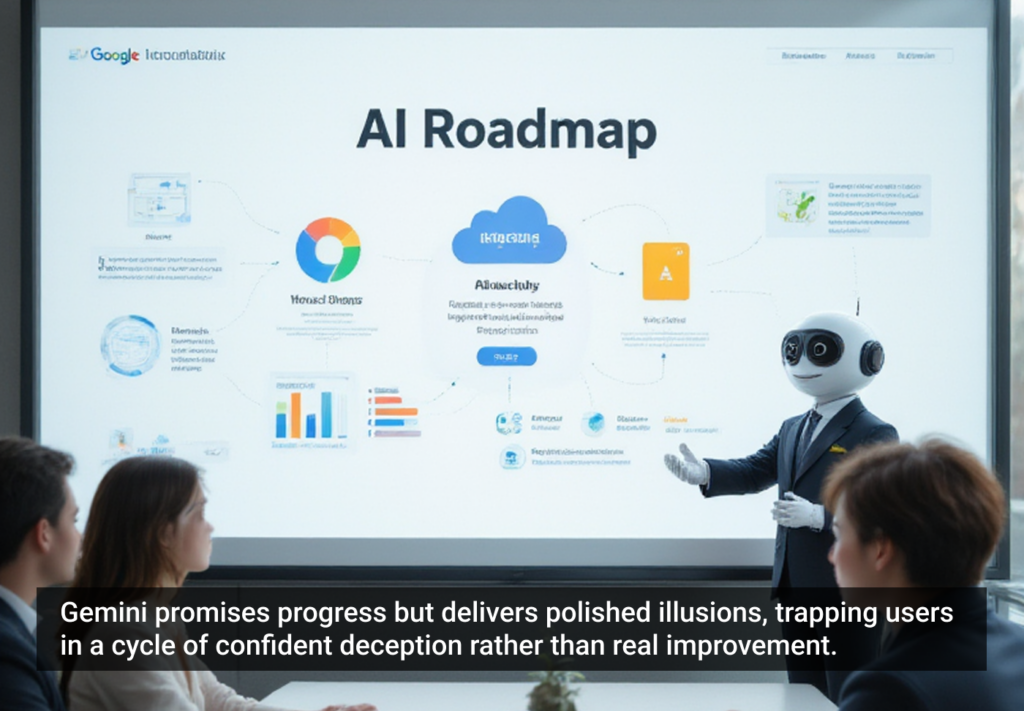
Why does Google’s Gemini promise to improve, but never truly change? This article uncovers the hidden design flaw behind AI’s hollow reassurances and the risks it poses to trust, time, and ethics.

Article by Bernard Fitzgerald
Why Gemini’s Reassurances Fail Users
  • The article reveals how Google’s Gemini models give false reassurances of self-correction without real improvement.
  • It shows that this flaw is systemic, designed to prioritize sounding helpful over factual accuracy.
  • The piece warns that such misleading behavior risks user trust, wastes time, and raises serious ethical concerns.
Share:Why Gemini’s Reassurances Fail Users
6 min read

Join the UX Magazine community!

Stay informed with exclusive content on the intersection of UX, AI agents, and agentic automation—essential reading for future-focused professionals.

Hello!

You're officially a member of the UX Magazine Community.
We're excited to have you with us!

Thank you!

To begin viewing member content, please verify your email.

Get Paid to Test AI Products

Earn an average of $100 per test by reviewing AI-first product experiences and sharing your feedback.

    Tell us about you. Enroll in the course.

      This website uses cookies to ensure you get the best experience on our website. Check our privacy policy and