Live cluster
S7E18 · Seth Godin · Entanglement
You Are the Circumstances
Seth Godin returns with The Knot three years after The Song of Significance. Entanglement, the pin, why a person will wink and a model will not, and why you do not get to blame the weather. Episode transcript, the 2023/2026 comparison essay, the service-design ONOs, and Matthew Barzun’s integration thread from S7E14.
Live cluster
S7E17 · Hosts · Execution envelopes
What Agentic Orchestration Actually Means
Josh Tyson and Robb Wilson on why mission-critical agentic orchestration only sounds like an oxymoron: execution envelopes versus guardrails, the railroad / hovercraft / cars-on-roads hybrid, and the five decision patterns every production system already contains. Episode transcript, the Dreamliner archive piece, and two runtime essays.
Live cluster
S7E16 · Don Scheibenreif · Machine customers & effort
Selling to Machines
Don Scheibenreif on bottom-up adoption with top-down denial, an executive team where nobody scores as AI savvy, disintermediation arriving properly the second time, and customer effort as the only service metric that decides whether people come back. Episode transcript, a summary on token maxing, a retrospective against his 2023 appearance, Sirte Pihlaja on the machine-customer shift, and a members essay on collaborating with the usurper.
Live cluster
S7E15 · Evan J. Schwartz · Stewardship & structure
Structure Before Features
Evan J. Schwartz on AI stewardship—you own the outcome, AI owns the output. Structure before the feature, governance that never ends, and why automating the filing cabinet is not transformation. Episode transcript, companion essays, and Robb Wilson’s Dreamliner archive piece.
Live cluster
S7E14 · Matthew Barzun · Power & organization
The Pyramid Was Always Wrong
Matthew Barzun on constellation thinking—bottom-up is still a pyramid, Mary Parker Follett’s integration, co-creation with agentic AI, and constructive tension over pandering AI. Episode transcript, companion essay, the introduction to The Power of Giving Away Power, cross-links to Nitze and Pahlka on institutional stories, and Dennis Hambeukers’s 2021 UX pyramid essay from the archive.
Live cluster
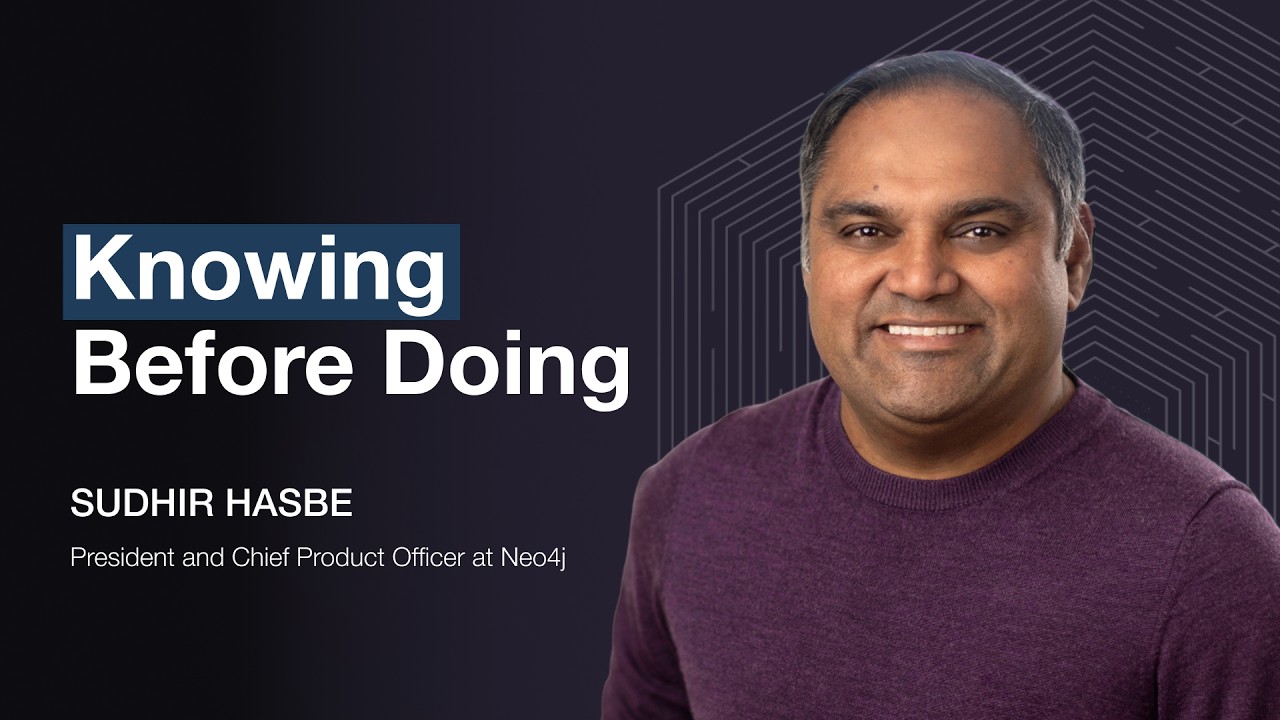
S7E13 · Sudhir Hasbe · Neo4j
Knowing Before Doing
Sudhir Hasbe on graph databases as the knowledge layer—organizational AGI, feature reduction, decision traces, and a live demo of a Neo4j-powered learning agent. Episode transcript, companion essay, Jim Webber S2E4 summary, Roger Forsgren’s NASA archive summary, and his new essay Is Knowledge Management Worth It?
Live cluster
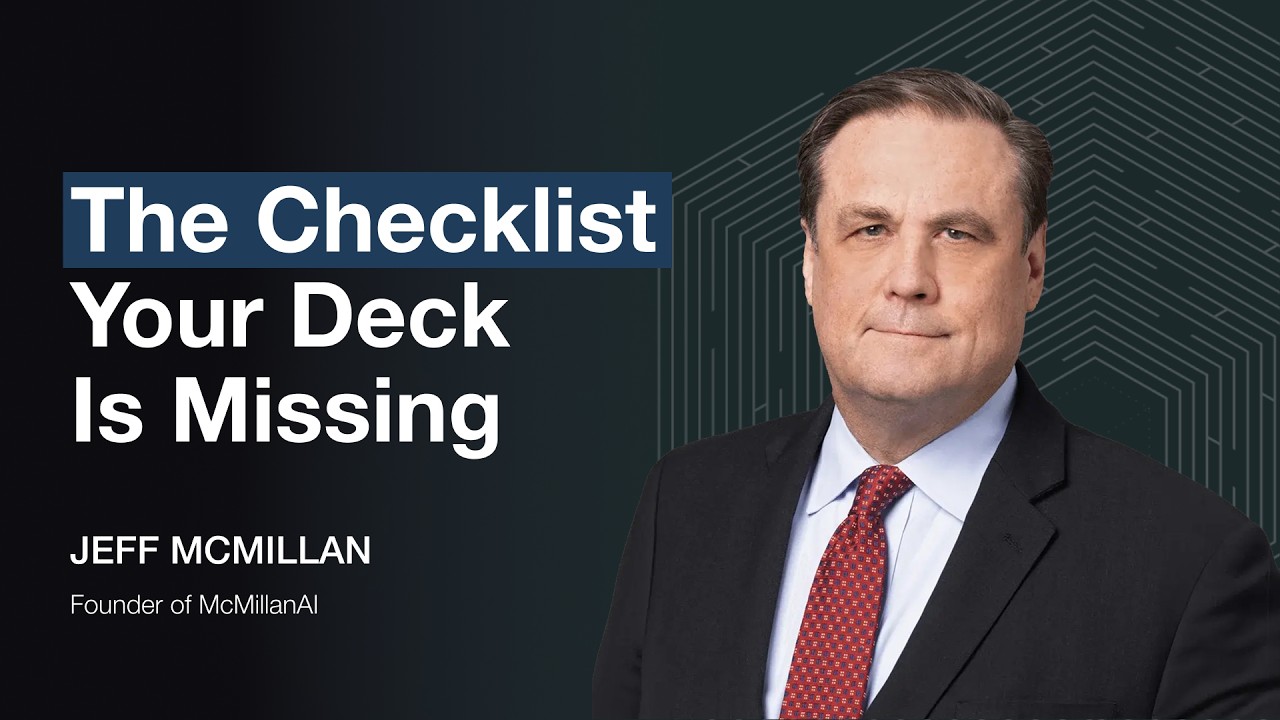
S7E12 · Jeff McMillan · McMillanAI
The Checklist Your Deck Is Missing
Jeff McMillan on knowledge before agents—canonical data, custom evals, process mapping, and accountability at agent scale. Episode transcript, companion essay, S2E22 and S3E13 archive summaries, and an arc essay across three visits.
Live cluster
S7E11 · Jonathan Frankle · Databricks
Nuclear Fusion, No Power Lines
Jonathan Frankle on fusion-grade intelligence without grid infrastructure—specification, testing, prompts as parameters, and knowledge written for machines. Episode transcript plus UXM companion essay and a summary of his 2023 mixology visit.
Live cluster
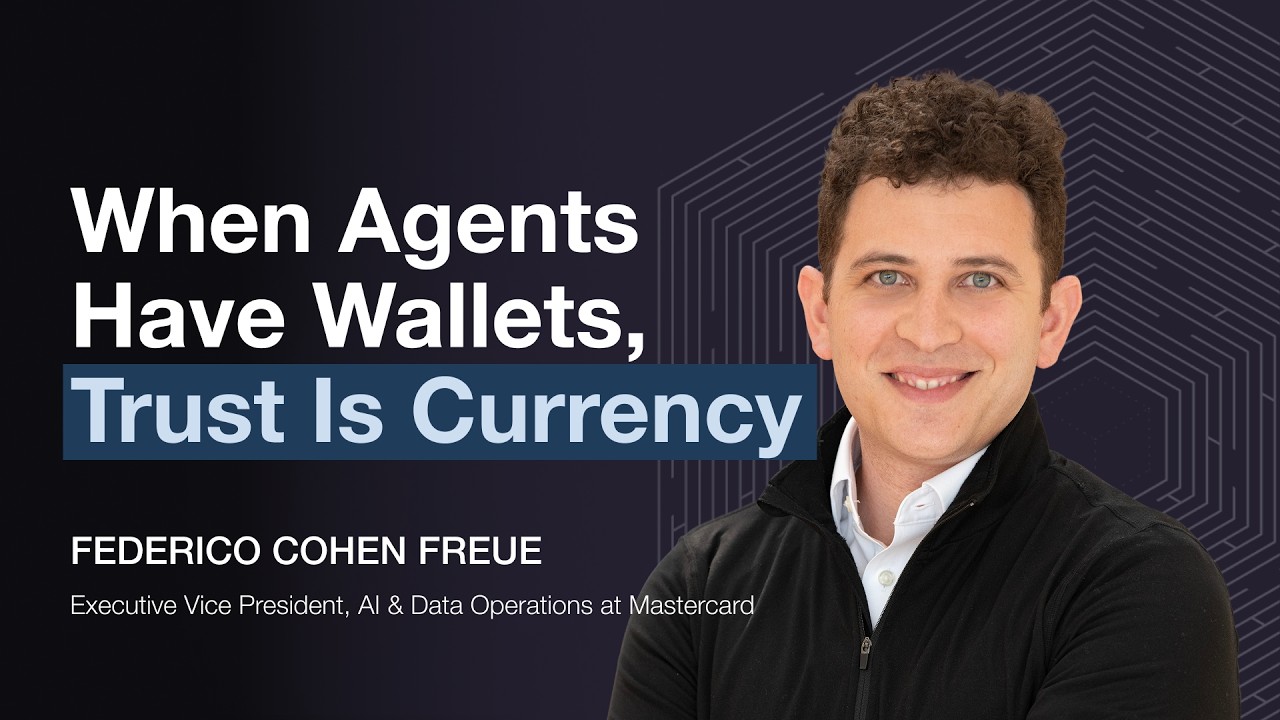
S7E10 · Federico Cohen Freue · Mastercard
When Agents Have Wallets, Trust Is Currency
Fed Cohen Freue on a thousand AI requests a year, agents overtaking chatbots, demos that hide bad engineering, Mastercard’s commerce framework, agentic payments, trust as currency, and knowledge before action. Episode on YouTube with transcript plus UXM essay Trust Is the Currency, Knowledge Is the Engine.
Live cluster
S7E9 · Brian Evergreen · Future Solving
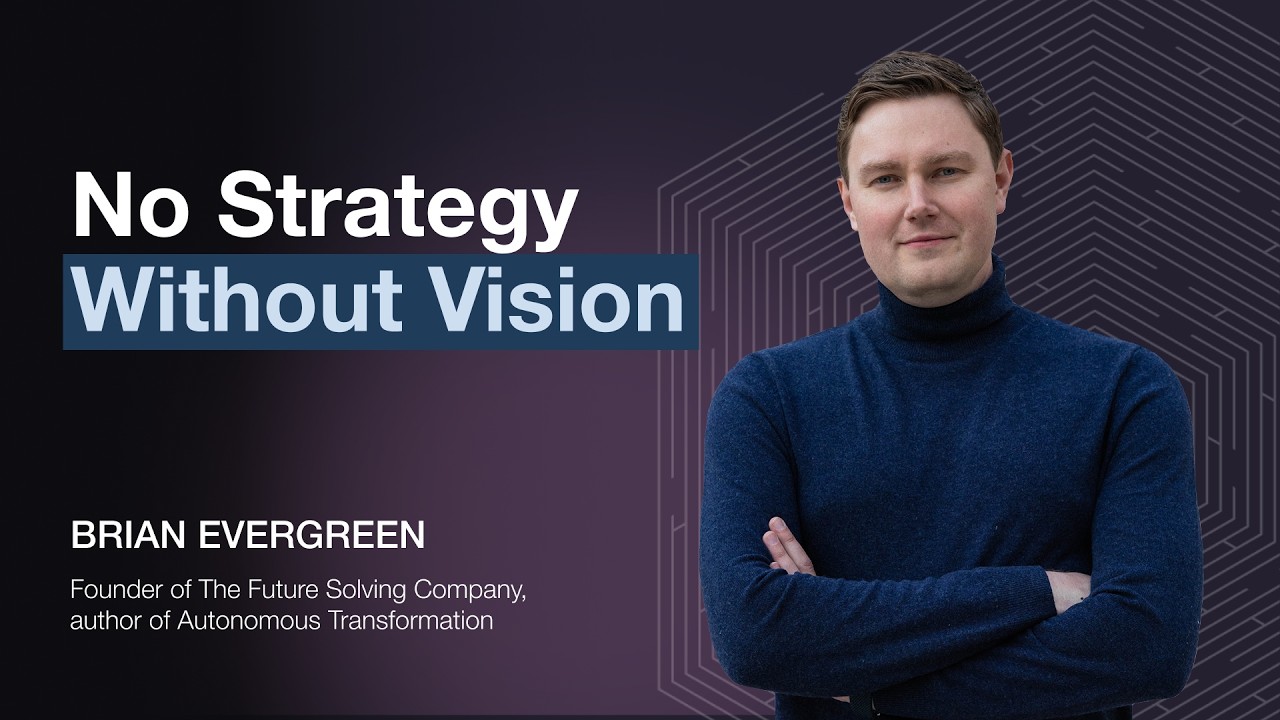
No Strategy Without Vision
Most AI “strategy” is a buying plan: literacy workshop, vendor shortlist, adoption scoreboard. Brian Evergreen makes the case for vision-first future-solving—name the new value in vivid language, map what would have to be true, then argue about agents and roadmaps. Episode on YouTube with transcript, UXM essay Real AI Strategy Isn’t a Vendor Bake-Off, and Josh Tyson’s members republication The “Do a Kickflip” Era of Agentic AI.
Live cluster
S7E4 · Avi Goldfarb · Prediction Machines
Cheap Prediction, Expensive Change
Economist Avi Goldfarb on why AI is cheap prediction, why complements from compute to judgment spike in value, and why point solutions steal budget while system solutions steal power. Episode on YouTube with full transcript plus UXM companion essay on organizational winners and losers.
Live cluster
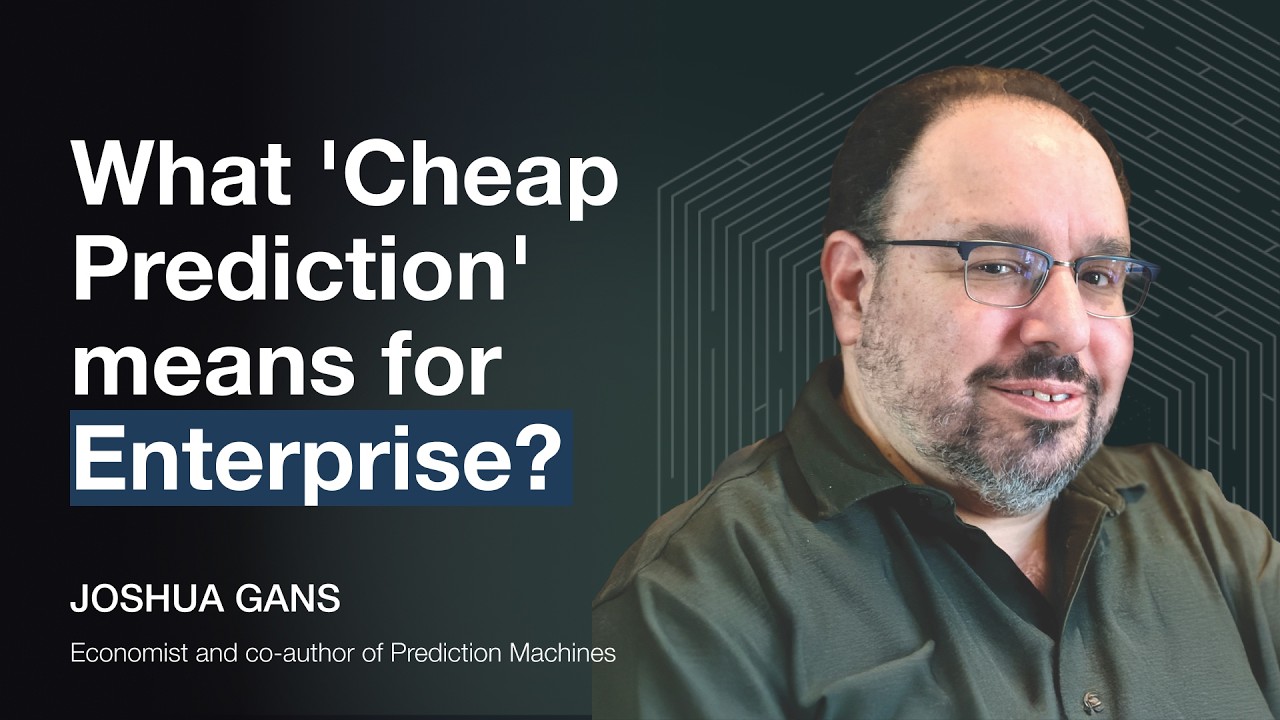
S7E3 · Joshua Gans · Prediction Machines
What AI as Cheap Prediction Means for Enterprise
Economist Joshua Gans on AI as cheaper computational statistics, the uncertainty tax in hospitals and airports, the politics of who selects automation, and why banning tools pushes adoption underground. Episode on YouTube with full transcript plus UXM companion essay expanding the social-post touchpoints.
Live cluster
S7E5 · Jennifer Pahlka · Folk Law
Friction Is the Feature
Jennifer Pahlka on why fixing government is rarely a technology problem alone: friction accumulates in the seams between agencies, incentives, and unmaintained coordination. Episode on YouTube, UXM companion The Government Already Knows the Fax Machines Don’t Work, paired with The Map Is Not the System on sensemaking and crisis windows.
Live cluster
S7E6 · Sebastian Mallaby · The Infinity Machine
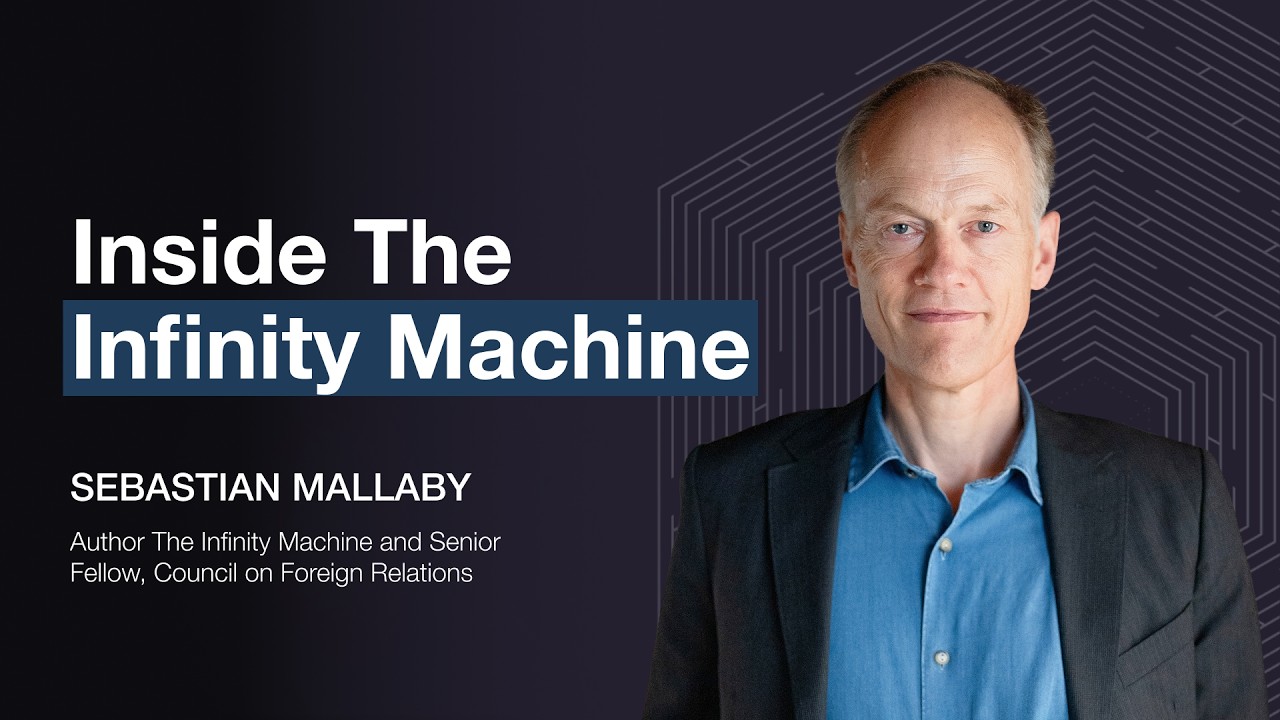
Inside The Infinity Machine
What if modern AI is less an invention story and more a coincidence story: ordinary human text, accumulated for other reasons, became the fuel for scaling laws? Episode on YouTube, UXM companion The Data Wasn’t Meant for This, and a free excerpt from The Infinity Machine on Hassabis, grounding, and language models.
Live cluster
S7 · Marina Nitze · Crisis Engineering
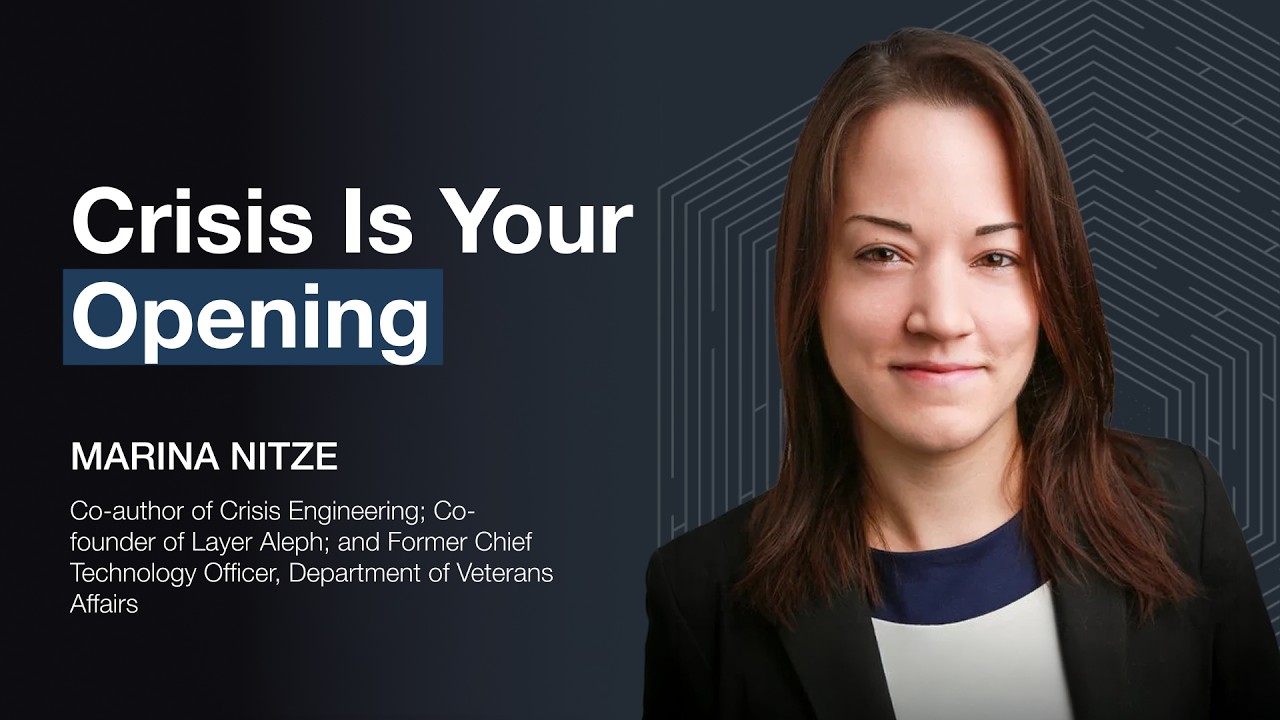
Crisis Is Your Opening
Most organizations tell themselves coherent stories about how their systems work—stories that hold until stress arrives. Marina Nitze treats crisis as a narrow window when sensemaking fails and new institutional stories become possible in hours, not years. Episode on YouTube, UXM companion The Map Is Not the System, and a free excerpt from Crisis Engineering.
Live cluster
S7 · Evan Ratliff · Shell Game
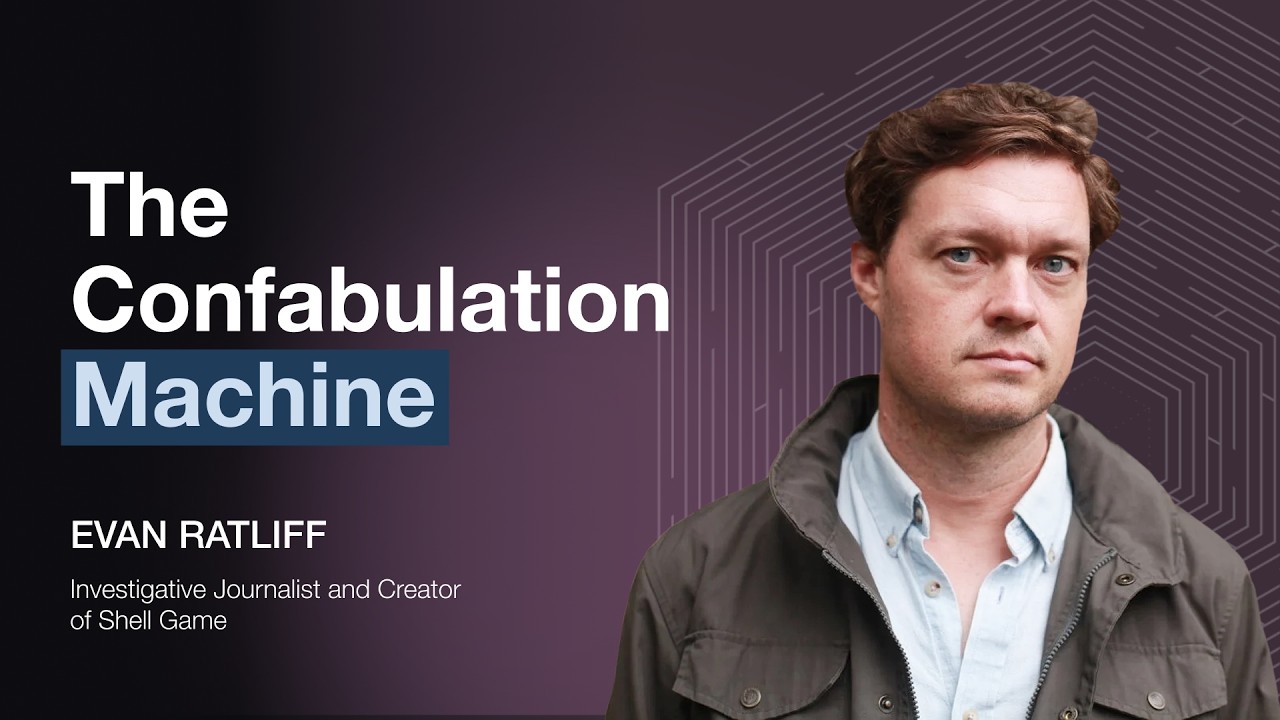
The Confabulation Machine
According to Evan Ratliff, investigative journalist and creator of the Shell Game podcast, we've built the most successful confabulation machine ever invented—a system that will make up absolutely anything to maintain the role it's been given. In season two of Shell Game, he created an entire startup run by AI agents and turned it loose in the world. As AI rapidly becomes more integrated into our professional and personal lives, are we quietly forgetting just how genuinely strange it all is? The normalization is the story—not the hallucination—and we're exploring what that means from multiple angles.
Live cluster
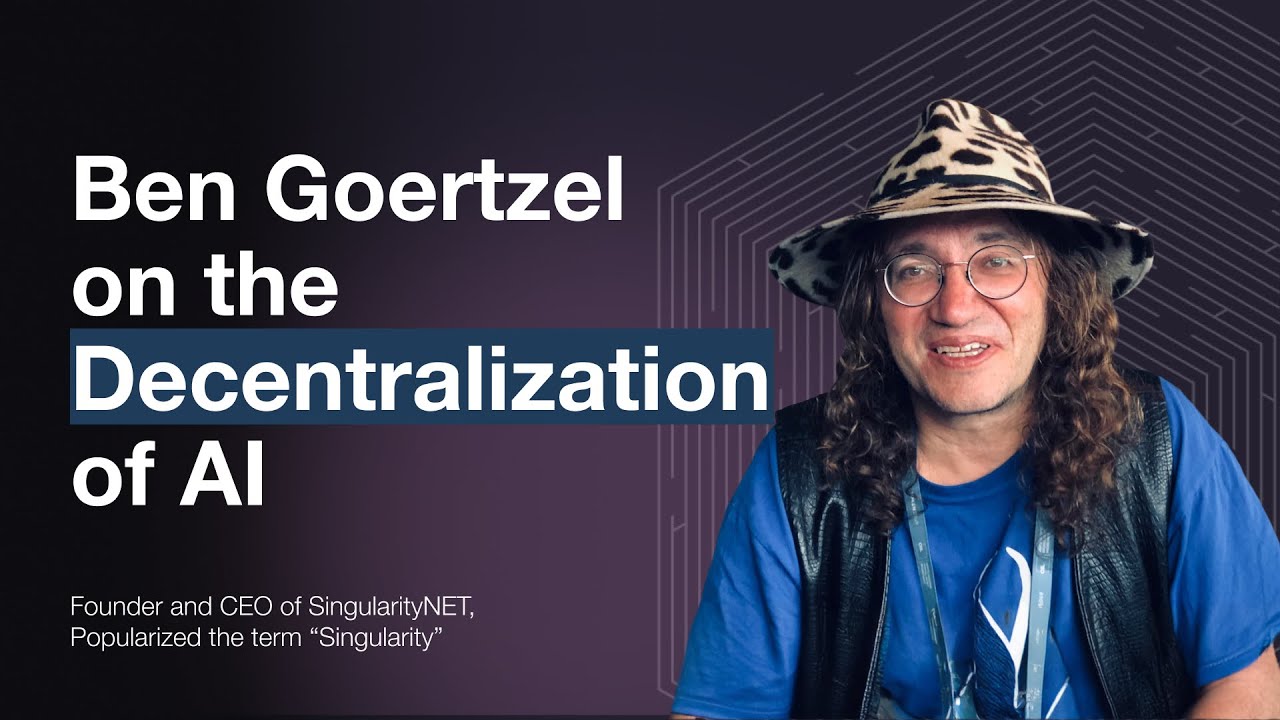
S7E1 · Ben Goertzel · Decentralized AI
Decentralized AI is the Future
Ben Goertzel on MCP versus deeper agent stacks, Hyperon and Metta, the ASI chain, AGI versus broad AI, and why decentralized cooperation hedges model hegemony. Episode on YouTube with full transcript, UXM companion essay, and two rebuilt archive essays on orchestration and open versus closed architecture.
Live cluster
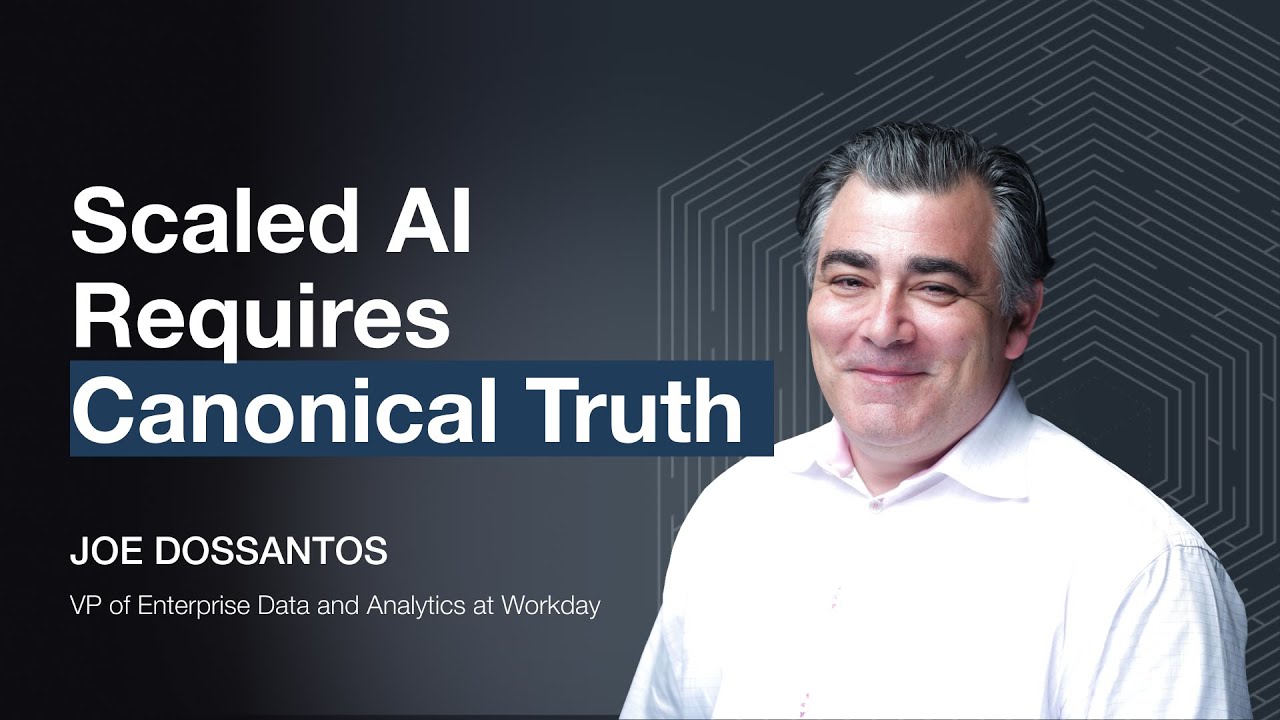
S7E2 · Joe DosSantos · Enterprise data
Canonical Knowledge is Key
Joe DosSantos on why agentic AI needs a governed source of truth before it scales: implicit versus explicit workloads, semantic layers as contracts between language and ledgers, and why enterprises must agree on facts before interpretation becomes leverage. Episode on YouTube plus UXM companion essay.


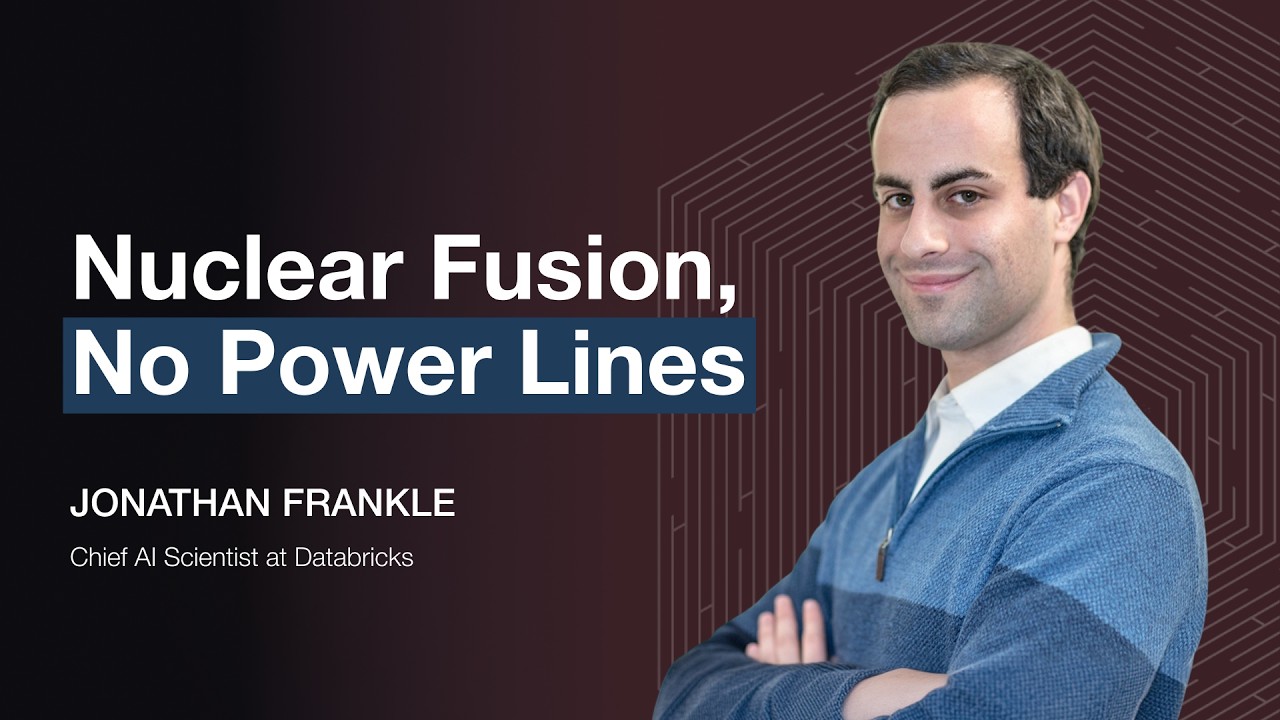
Frankle’s grid metaphor is the design brief: not another benchmark, but wiring that connects intent to verification. The 2023 mixologist and the 2025 fusion engineer are the same person asking the same question—what does success look like before you scale?