
Flag

We stand with Ukraine and our team members from Ukraine. Here are ways you can help

Get exclusive access to thought-provoking articles, bonus podcast content, and cutting-edge whitepapers. Become a member of the UX Magazine community today!

Home ›› UX Design ›› Agile UX

Agile UX

Read these first

Another lesson from studying UX with Laura Klein.

Article by Paivi Salminen
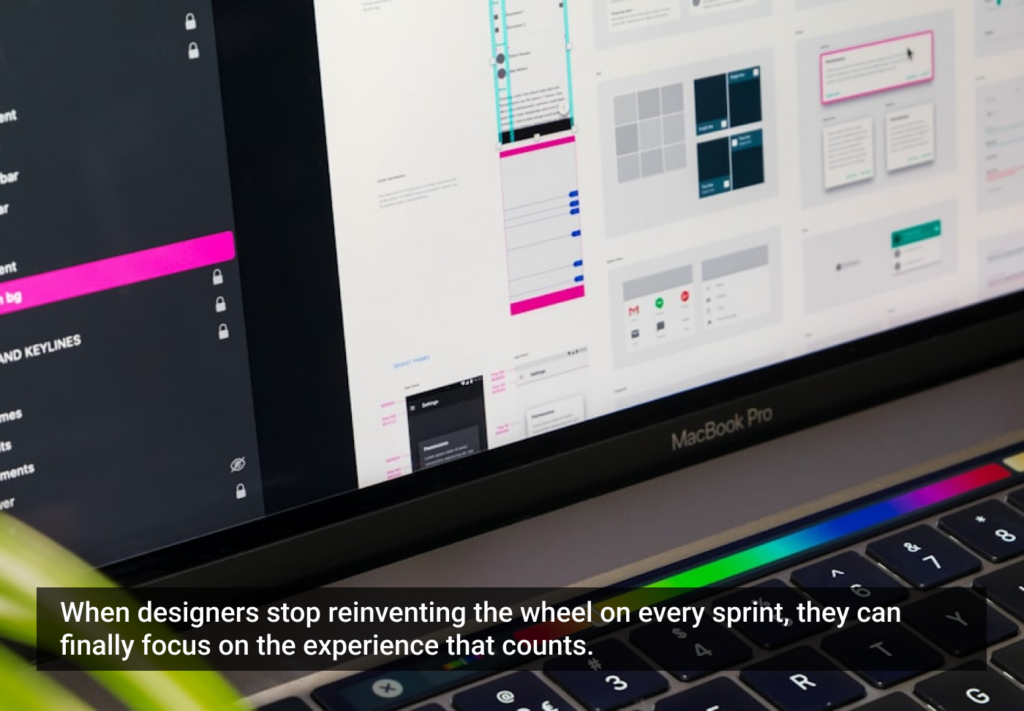
The Agile Trap Designers Fall into: Feeding the Beast
  • Agile teams are fast, but designers get stuck in an infinite loop of visual work: redesigning the same components over and over instead of solving real UX problems.
  • Design systems break that cycle, defining the building blocks once, freeing designers to focus on how the product works, not how it looks.
  • When the basics are in place, teams can start working together sooner, prototype faster, and release incremental features without the interface falling apart.
Share:The Agile Trap Designers Fall into: Feeding the Beast
4 min read

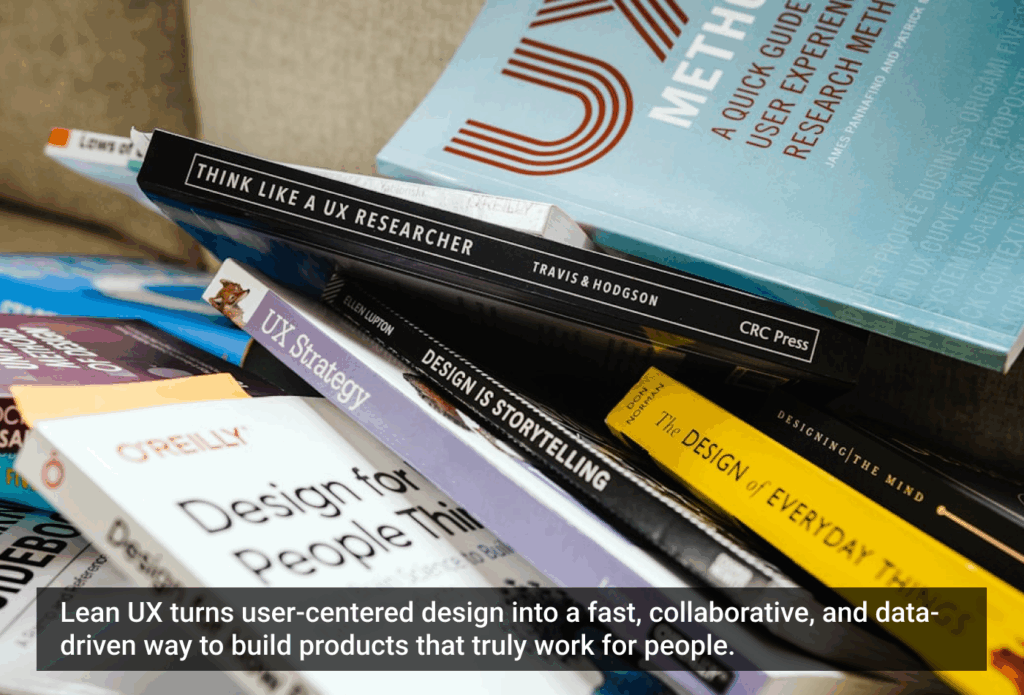
Lean UX and User-Centered Design share the same heart — empathy for users — but differ in pace and practice. This piece shows how Lean UX turns UCD principles into a faster, data-driven approach for modern teams.

Article by Paivi Salminen
Lean UX vs. User-Centered Design
  • The article explains that while both Lean UX and User-Centered Design focus on users, Lean UX adapts UCD principles for speed, collaboration, and rapid learning.
  • It argues that Lean UX evolves user-centered thinking into an agile, data-driven process that helps teams design the right thing faster.
Share:Lean UX vs. User-Centered Design
3 min read

Are you overthinking your research process? This article explores how to determine when research is essential and when it might be holding you back. Learn a practical framework to prioritize studies, align with stakeholders, and maximize impact without wasting time or resources. Unlock strategies to focus your efforts on what truly matters.

Article by Carol Rossi
Are You Doing Too Much Research?
  • The article questions the common practice of conducting extensive research, suggesting that not all projects require it. Instead, it highlights the importance of discerning when research is truly necessary.
  • It introduces a framework to prioritize research efforts based on clarity, risk, and cost, ensuring impactful results without unnecessary delays.
  • The author emphasizes the role of stakeholder involvement in the research process, fostering better collaboration and alignment with organizational goals.
  • Practical strategies are provided for tracking and communicating the post-research impact, making the value of research more transparent and measurable.
Share:Are You Doing Too Much Research?
7 min read

Join the UX Magazine community!

Stay informed with exclusive content on the intersection of UX, AI agents, and agentic automation—essential reading for future-focused professionals.

Hello!

You're officially a member of the UX Magazine Community.
We're excited to have you with us!

Thank you!

To begin viewing member content, please verify your email.

Get Paid to Test AI Products

Earn an average of $100 per test by reviewing AI-first product experiences and sharing your feedback.

    Tell us about you. Enroll in the course.

      This website uses cookies to ensure you get the best experience on our website. Check our privacy policy and