


Flag

We stand with Ukraine and our team members from Ukraine. Here are ways you can help

Get exclusive access to thought-provoking articles, bonus podcast content, and cutting-edge whitepapers. Become a member of the UX Magazine community today!

Home ›› The Mind Behind NVIDIA’s AI Revolution

The Mind Behind NVIDIA’s AI Revolution

by Josh Tyson
1 min read
Share this post on
Tweet
Share
Post
Share
Email
Print

Save

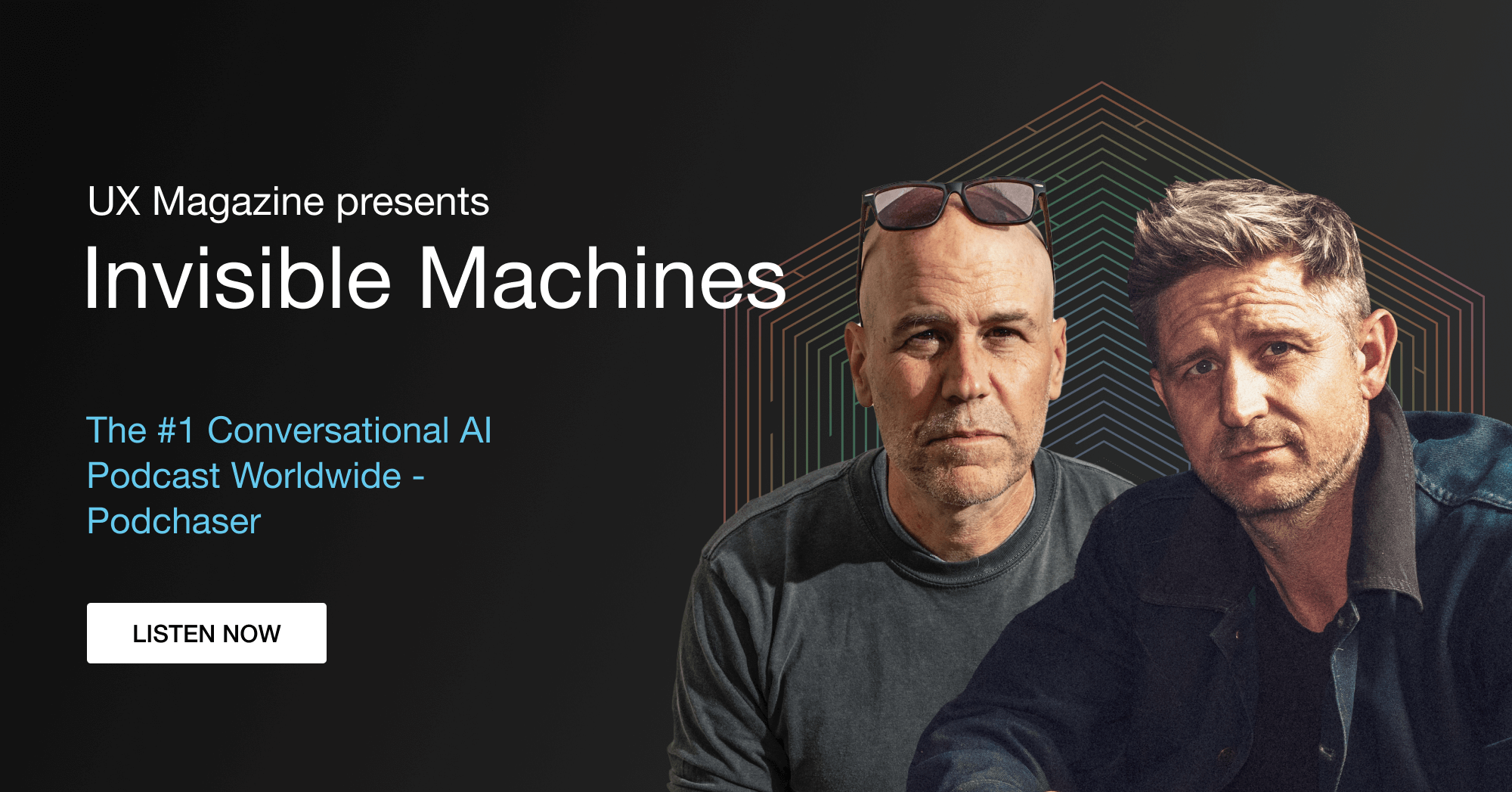
As AI continues to reshape industries, the technologies behind it are becoming just as fascinating as their applications. In this episode of Invisible Machines, Bryan Catanzaro, VP of Applied Deep Learning Research at NVIDIA, joins Robb Wilson and Josh Tyson to discuss his journey in AI and the innovations that turned NVIDIA from a graphics company into a $4T AI powerhouse.

What begins as a conversation about GPUs and machine learning quickly expands into a broader exploration of how organizational structure, visionary leadership, and collaboration can accelerate technological breakthroughs. Bryan also reflects on his 2019 Stanford keynote, where he called on librarians to help categorize data for emerging language models—a plea that highlights the human dimension of AI progress.

And then there’s the unexpected: Bryan draws a surprising link between human hair and technology, reminding listeners that innovation often starts in the most unassuming places.

The takeaway? True AI innovation combines cutting-edge research, human ingenuity, and a willingness to see the world differently. 

Listen to the episode now to hear Bryan Catanzaro share his insights and the stories behind the AI revolution.

post authorJosh Tyson

Josh Tyson
Josh Tyson is the co-author of the first bestselling book about conversational AI, Age of Invisible Machines. He is also the Director of Creative Content at OneReach.ai and co-host of both the Invisible Machines and N9K podcasts. His writing has appeared in numerous publications over the years, including Chicago Reader, Fast Company, FLAUNT, The New York Times, Observer, SLAP, Stop Smiling, Thrasher, and Westword. 

Tweet
Share
Post
Share
Email
Print

Related Articles

Learn how the smallest design decisions, a default checkbox, a colored button, and a progress bar, have the biggest ethical weight.

Article by Tushar Deshmukh
The Psychology of Nudges: Why the Smallest Design Element Can Shift the Biggest Outcomes
  • The piece draws a sharp line between nudges and dark patterns by asking one question: who benefits, the user or the platform? Same tools, opposite ethics.
Share:The Psychology of Nudges: Why the Smallest Design Element Can Shift the Biggest Outcomes
6 min read

Find out how clicking “Accept All” is not really consent and how ethical UX design can return user choice to users.

Article by Tushar Deshmukh
Consent Fatigue: Are We Designing People into Compliance?
  • The article shows that consent fatigue is not a user problem but a design problem in which endless permission popups, visual manipulation, and legal-shield thinking have quietly replaced real user autonomy with engineered compliance.
Share:Consent Fatigue: Are We Designing People into Compliance?
10 min read

Learn why the real design challenge of agile is not speed but learning to design smaller, one valuable slice at a time.

Article by Paivi Salminen
Designing Small Is Harder than Designing Big
  • The article suggests that agile design is not about quick development but rather the more difficult discipline of designing smaller, resisting the temptation to map out complete systems, avoiding the snare of horizontal slicing, and inquiring into what the smallest iteration of an idea is that still provides real value to users.
Share:Designing Small Is Harder than Designing Big
5 min read

Join the UX Magazine community!

Stay informed with exclusive content on the intersection of UX, AI agents, and agentic automation—essential reading for future-focused professionals.

Hello!

You're officially a member of the UX Magazine Community.
We're excited to have you with us!

Thank you!

To begin viewing member content, please verify your email.

Get Paid to Test AI Products

Earn an average of $100 per test by reviewing AI-first product experiences and sharing your feedback.

    Tell us about you. Enroll in the course.

      This website uses cookies to ensure you get the best experience on our website. Check our privacy policy and