

Save
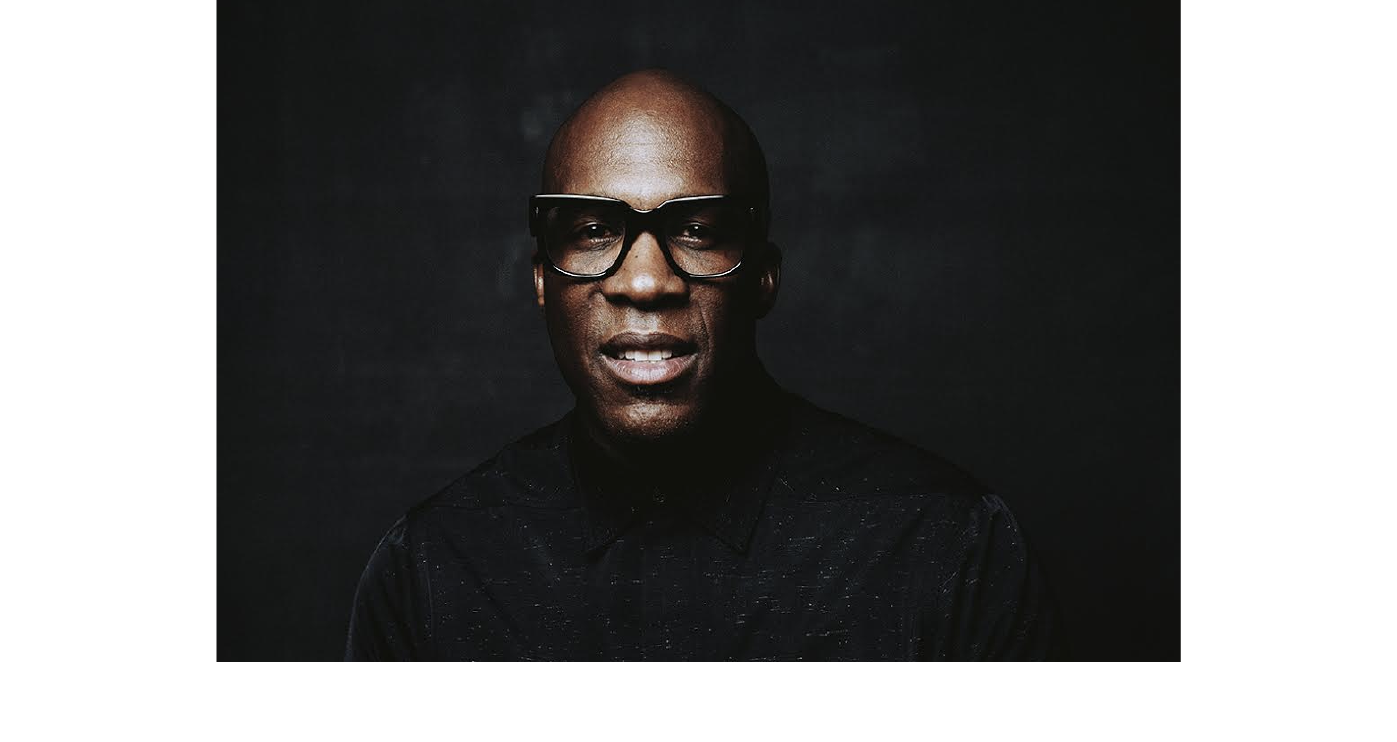
These past weeks, I’ve been debating with myself: do I say something or do I stay silent? Behind the scenes, I was speaking plenty, with fellow business owners, founders, CEOs. They wanted to know what statements of their own they should put out. They asked me to look over their statements, to give them feedback. I didn’t have time to write a statement of my own. And I didn’t feel I should have to: there is nothing new happening here.
Racism is not new; racism is not rare. So it’s not my job to take the blinders off your eyes if you refuse to see the racism around you. It’s not my job to scream in your ears to make you hear. It’s also not my job to try to appeal to your empathy by telling you how I feel every time I leave my apartment and cross paths with the police.
Yet I am here, writing.
As I watch the social media parade of apologies and promises, donation resources and reading lists, I feel so, so disappointed. I want to see action, not branded corporate messages that go nowhere. I want to see evidence that organizations are applying the same critical thinking they bring to their work towards changing their existing power structures — because that is what will lead to authentic, lasting change.
I founded Openbox on the premise that design can serve as a framework to help facilitate social advancement. As our society begins to fully realize the impact of systemic inequity, White supremacy and anti-Black police violence, Openbox remains firm in our work to oppose these systems.
This moment requires direct action. Just as design has been the protagonist in the social construct of race, design is required to undo these ideologies. Many of the goods and services that Black people, Indigenous people and people of color (BIPOC) end up using are designed by White designers. This translates to gaps in understanding needs and selectively solving or ignoring the problems and experiences of many communities.
So if you are a leader of an organization and you truly want to make a commitment to ending systemic racism, I challenge you to be vulnerable: give up your power. To end systemic racism, we need an equity-focused approach that redistributes power to include those who lack it.
That means:
- Give up the savior mentality that perpetuates your position and preserves the system of unequal power,
- Give up your voice that automatically centers White perspectives and continues to marginalize Black voices in your organization and beyond, and
- Give up one-time donations that maintain equity as a charitable cause.
Instead, re-allocate your company resources to encode permanent changes to center and elevate Black people. Make commitments that allow you to be held accountable to yourself and to others.
As leaders, designers, and strategists, we have the ability to change systems. We know that to solve the right problem (systemic racism) we need to have specific, high-impact solutions. Here’s a starting point.
If you’re in NYC, which is 25% Black, you can:
- Hire 25% Black-led businesses each year.
- Attain 25% Black leaders within one year.
- And for all organizations, include the voices of Black, Indigenous, and POC creatives, strategists, and organizers when authoring communications about racial diversity and racial justice.
Equity is not charity. It is real work done every day by studios like Beytna Design, Black Space, Creative Reaction Lab, Equity Design Collaborative, and Openbox. It doesn’t take us anywhere to make statements like “I messed up” and “I didn’t listen well enough” and stop there. Do the work. Give your voice and your power to those who have never had the privilege to be heard or to lead.
—Marquise Stillwell

Marquise is the founder and principal of Openbox, a people-centered design studio focused on improving the lives of people in the communities and cities. Marquise brings his passion for supporting diverse cultures and bringing positive change through his many philanthropic and creative activities, from teaching at Danish design schools—CIID in Copenhagen and the KaosPilot in Aarhus; to co-founding Deem Journal, a publication focused on design and social practice; and also collaborating with his Openbox colleague Petter Ringbom on films including Shield and Spear (2014) and The New Bauhaus (2019). Marquise serves as a board member for the Lowline Underground Park, Stae, Artmatr, and Urban Ocean Lab. He is also a member of the High Line Advisory Committee.